Slim Console Tables for Villa Entryways That See Everyday Use
Carry your keys and a bag through the front door before choosing the entry console. The right surface is where you naturally put something down after the door has cleared. It also leaves room for the next person to come in. For a villa with a narrow entrance or a substantial front door, start by measuring that movement and choosing one daily job for the piece. HEZEN CASA, a Foshan furniture manufacturer and supplier, makes slim console and storage options in contrasting styles. Pick the depth you can live with, then decide whether the entry needs an open top, lower storage or a larger piece farther in.
Check slim console table depth against the arrival route
Draw where the door actually goes when you open it from outside, including the handle and the part of the opening a person occupies while holding it. Walk in carrying the things that usually come through the entrance. A handbag resting tightly alongside a coat and a grocery bag hanging lower use different parts of that passage. Mark the spot where you first have a free hand. A console placed there is more likely to be used. If the surface is before that point, people may walk past it or stop where others are trying to enter.
Put the key drop after the door and before the route divides
Imagine a villa entry where two people come home together. One holds the door and drops the keys, while the other pulls a wheeled bag toward the stair. Tape the proposed width of the console along the wall and place a low temporary surface on the expected line. Try both jobs at once. A piece on the opposite wall may appear comfortably distant from the door on a plan, but someone crossing over to reach it can step into the same part of the hall the bag needs. If both routes overlap, move the drop point inside the hall or make it accessible from the passing side.
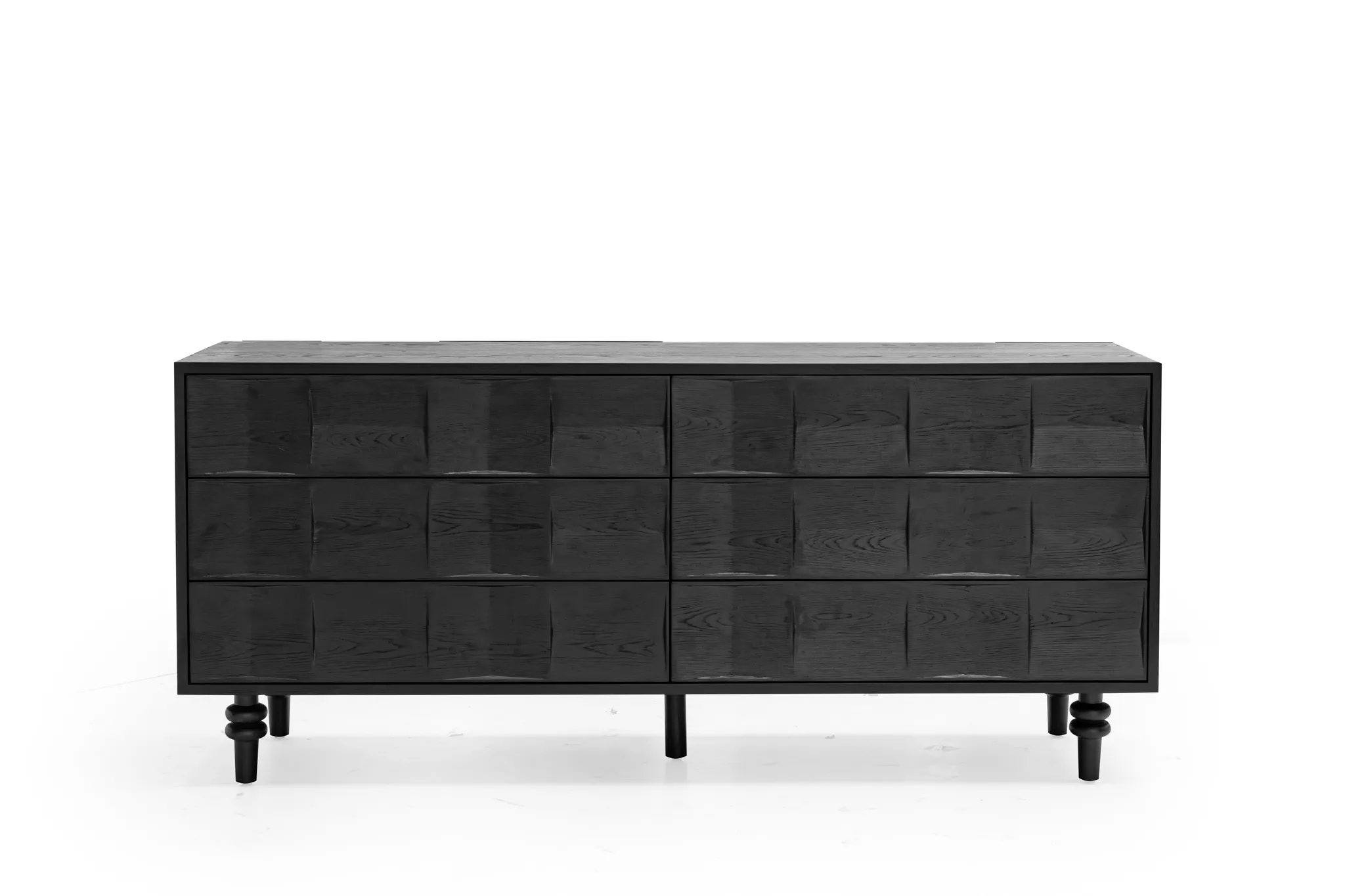
The Italian Minimalist Narrow Storage Console is listed in solid wood at 100 × 30 × 80 cm overall, with three-tier storage in the catalog. A 30 cm depth is a useful first outline for a landing surface with some organization below. Check the finished position against the door, trim and your actual tray. Ask for the confirmed internal arrangement and width at the front, since the overall measurements and front photograph do different jobs. Plan the smaller objects around the storage in your chosen configuration.
For a living area connected by a short corridor, follow the return route with shoes, keys and whatever is normally in your hands. Decide whether one tray should handle the whole family or whether adults need a second, separate place for wallets. Put down the largest everyday object while another person walks past. If they have to pause, reduce the number of objects that go there or move the console past the turn. A few centimeters saved on the cabinet only help if the top still allows the thing you actually want to put down.
Try leaving the entrance again. A person heading out usually moves faster and may reach backward for keys. Place the tray within reach from the side you do this rather than at the end closest to the wall on the drawing. Room & Board’s small entryway planning guidance uses a narrow console as a place for everyday items like keys and mail. On a villa project, the timing of the approach is what makes that useful. The furniture can have a stronger effect on the hallway when it sits in the right place than when it simply covers the longest wall.
If the entry has a shallow recess between two wall returns, try the mock-up in both halves. Placing the console in the center might leave equal wall space but put the person reaching for the tray in the turning area. Keeping one end closer to a corner can sometimes free a comfortable approach from the other side. If the corner is the natural place for a wet umbrella stand, move the tray away from it or keep the objects separate. Mark the actual approach for each location before choosing a width simply because it centers beautifully in the alcove.
Try the acrylic-leg console where the floor should stay visible
HEZEN CASA’s Ribbed Leather Acrylic Console Table is listed at 140 × 35 × 80 cm with a padded leather top, transparent acrylic legs and a product weight of 25 kg. The transparent supports give this longer piece a different look from a piece that fills the wall at floor level. It can suit an entry with a floor pattern the buyer wants to keep visible. Trace the base where it actually rests and mark the full depth, including any decorative objects. The acrylic still occupies that physical space even if it recedes from the view.
If the leather top will see keys, parcels or damp articles, ask which care method the supplier recommends for the ordered finish. A small stable tray can give keys and metal items a defined home and keep their edges off the surface. Check the tray in the actual sample area, particularly if the top has a layered or textured edge. The piece offers a display opportunity along the wall, but the console must have a practical spot for the parcel you need to free a hand to unlock the rest of the house.
With the #37 and #134 choices taped out, take the same wall photograph for both widths. The 140 cm run may use a larger part of the elevation while leaving the floor visually continuous. The shorter 100 cm cabinet gives you more space along the edge to walk up and stand beside it. For a villa where the entrance view includes highly patterned stone or timber, add the actual floor sample to the image. Ask for the chosen acrylic and leather details to be shown against it before approving a piece you are relying on for a lighter visual effect.
Choose what belongs at the villa entrance and what can go farther in
Put your daily objects on a spare surface and sort them by whether you need them in the first few seconds at the door. The narrower the entry, the more important it becomes to keep a clear place to set something down. Guests may arrive with one or two bags and a coat. People who live in the house may need different storage, like a place for paperwork or shoes. Give each of those things a workable location. Loading the smallest console with everything often makes the arrival routine harder than simply walking a few feet to deeper storage.
Give hats and small carry items a separate shelf when the drop point is short
The Italian Minimalist Narrow Storage Shelf is listed in solid wood at 40 × 25 × 160 cm with four tiers. An open shelf can add a place to put smaller household items farther in if the wall directly beside the door needs to stay clear. Ask the supplier for the actual selected shelf geometry and the fixing or stability requirements before mapping a tight room. The displayed gallery is useful for visualizing open storage. Base the measured layout on the confirmed dimensions. Keep the shelf in a recess or beside a return where its height and any protruding objects remain out of the main path.
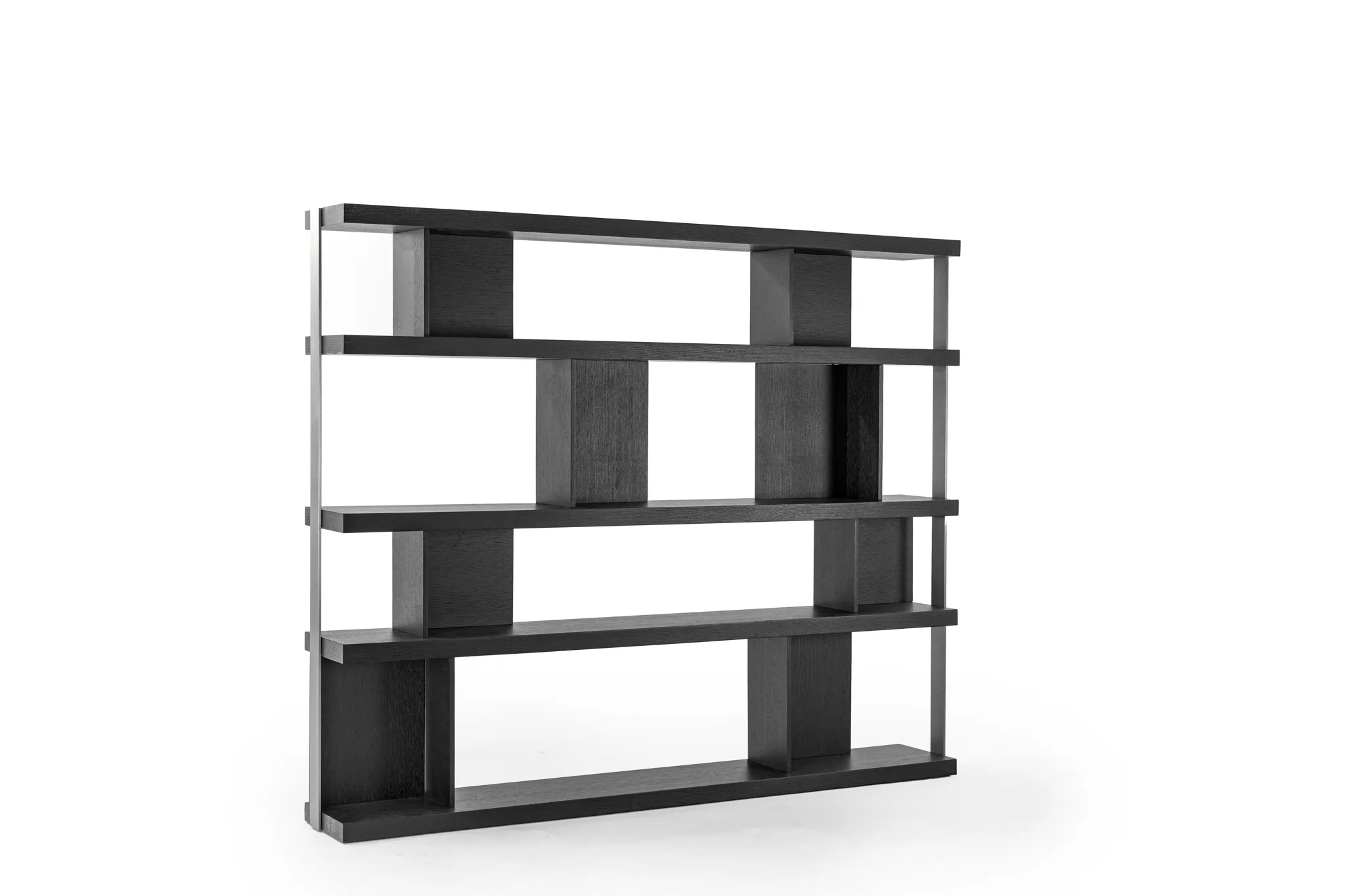
Place a full-size basket on the proposed lower shelf before deciding how near it can sit to the return wall. A basket that has to be pulled out by two hands can occupy more passage space in use than a tray of keys does. Give it enough room to sit in its normal position with its handle accessible. Test this with the jacket or umbrella someone will still be wearing or carrying. If the items are only for occasional guests, they may be better further out of view, leaving the shallow surface available for the daily routine.
Limit the open shelving to objects people can put away without sorting them on arrival. A shallow basket for gloves may make sense on the family route. A shelf covered with a collection of keys, sunglasses and unopened mail can quickly be hard to identify from inside the house. Keep the main console clear enough for a guest to find the surface. If two people with different routines share the entry, give each one a specific place beyond it and see whether the nearest tray still needs to be as large as originally planned.
Keep deeper closed storage for a foyer wall outside the traffic
The Asymmetrical Dark Wood Minimal Sideboard Credenza is a deeper option at 180 × 45 × 80 cm overall. The catalog lists dark wood veneer and solid wood, multiple compartments and split drawers. It can work on the quiet side of a wider villa foyer when the owner wants to conceal more items than a narrow console should carry. Measure the open drawer and user position before assigning the cabinet to that wall. A design that is beautiful across the room can still become an obstacle if someone needs the drawers every time the door opens.
Consider a villa with a generous guest-facing entry and a second entrance used by the household. A shallow key surface may suit the family side and a credenza can handle more organized storage in the foyer. Put a temporary tray at the front edge of the proposed deeper case. Walk through with someone else arriving and use the nearest closet door while they pass. If that spot is where coats are removed or wet things are handed over, a separate landing surface further in can keep the entrance from feeling crowded. In a smaller foyer the deeper credenza may make more sense in the living area.
HEZEN CASA’s comparison of a sideboard and console table helps separate surface and storage roles. Its cabinet door clearance guide is useful once you add a deeper piece with moving fronts. For this entrance, sketch the people as well as the furniture. A cabinet can be clear of a closed door and still put a person in the way at exactly the moment they try to collect a bag.
Use the actual arrival sequence when you check larger deliveries as well. A courier may hand across a box while someone else holds an internal door. Leave the console where a short stop is possible without resting the box on a delicate surface or blocking the next doorway. One household might use the deeper credenza as unpacking storage only after moving to the foyer. Another may use the short console for a temporary envelope and take larger parcels to the utility entrance. Write down that difference so the purchasing team knows why the shape was selected.
Approve the slim console table from an ordinary trip through the door
Ask the installer to record the depth from the finished wall, including any skirting that affects the rear position, with the console at its planned location. Then confirm the intended surface finish and what will stand on top. A tall vase or lamp can make a long table look at home on an empty wall. If the item narrows the part of the top you can reach, move it beyond the everyday tray or choose something that sits closer to the wall. Make sure the top and any shelf can handle the use established in your trial. Obtain any exact load or fixing information from the supplier.
Take a photo from the front door and another from the return to the entrance. In the first, see whether a guest can tell how to walk into the house. In the second, look for the key tray and try picking it up as you would on your way out. Once the table has passed both views, record the proposed dimensions, finish and position on the furniture plan. On a normal evening someone should be able to put down a key, keep walking and let the next person in.