Furnish for the first day, then the finished house
Plan Phased Occupancy With a Whole House Furniture Supplier
A house can begin to be occupied before every formal room is furnished, but the first furniture phase must support real daily life. Owners, designers and project coordinators working with a whole house furniture supplier should define what will be usable at each stage. A delivered bed frame or a dining table without its intended chairs is not the same as a ready bedroom or dining area.
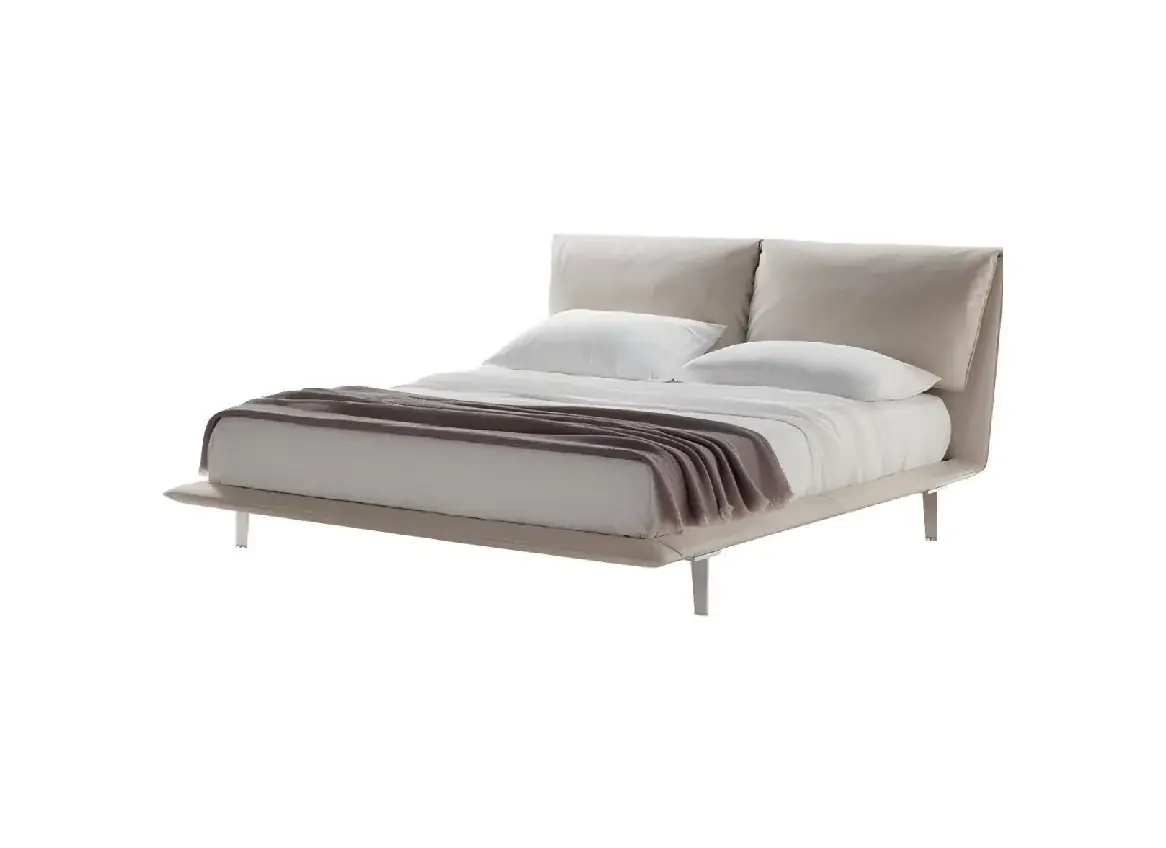
For a HEZEN CASA plan, begin with the dual-pillow Nappa bed, round marble dining table, contoured upholstered dining chair, two-tone curved Nappa sofa and wide leather dresser. Discuss the proposed stages through the whole-house furnishing service, confirming actual scope and scheduling before treating any stage as committed.
A whole house furniture supplier needs a definition of the first usable rooms
Describe the activities that must be possible when occupants arrive. Sleeping, storing everyday clothing and sitting down to a meal may take priority over a formal reception area. The furniture list should identify which pieces support those activities and which can reasonably wait. This is a decision about use, not simply about dividing the order into equal shipments.
For a family moving in while a formal lounge remains unfinished, the first phase might focus on the main bedroom and dining area. For a property prepared for occasional visits, the required first phase may differ. Explain the intended routine to the supplier rather than assuming that the usual room names reveal the household’s priorities.
Keep the eventual full furnishing plan visible while making those choices. A temporary arrangement should not force the later sofa or dresser into an unsuitable position. The buyer can defer a room without forgetting the dimensions, materials and activities that the completed house will need to accommodate.
The Nappa bed needs its complete sleeping arrangement before it counts as ready
The light grey bed is listed at 220 × 180 × 105 cm with a metal frame and dual-pillow headboard. Its outside dimensions do not establish the mattress opening or supplied support. Confirm the complete proposed bed arrangement and the intended mattress before scheduling the bedroom as usable.
If the mattress is being obtained separately, coordinate that interface explicitly. A bed arriving first does not resolve compatibility or availability of the remaining sleeping components. The owner should know which party is supplying each part and what must be checked before the room is treated as ready for occupation.
Ask for assembly information appropriate to the supplied bed and make sure the intended installer has it. An upholstered component placed in the bedroom is not proof of a complete, correctly assembled bed. Keep the readiness decision tied to the actual furnished condition rather than to the delivery notification alone.
The first bedroom should also be reviewed with the dresser in its intended position. If clothing storage is part of the move-in requirement, the bed and dresser must work together rather than occupy independent marks on a plan. Confirm that the selected bed size leaves the dresser usable and that temporary belongings will not become the assumed permanent arrangement around it.
The wide dresser can support the first bedroom only if its storage is suitable
The leather dresser is listed at 160 × 45 × 85 cm with solid wood and six drawers. It may be relevant to the first occupied bedroom if its usable storage and location fit the household’s needs. Confirm the internal information required for the intended contents; drawer count alone does not establish useful capacity.
A household living from suitcases during the initial stage may value an early storage solution, but the dresser should still be selected for its final role. Do not add it solely because it is available in the proposed phase if it will later obstruct the bedroom or duplicate storage that the design does not need.
Before filling the dresser, follow the supplied installation and use information and confirm that the drawers can be accessed in their actual position. If additional installation measures are required, include them in the readiness decision. The first phase should not turn an unfinished furniture task into an assumed completed room.
Keep the dining table and intended seating together in the furnishing plan
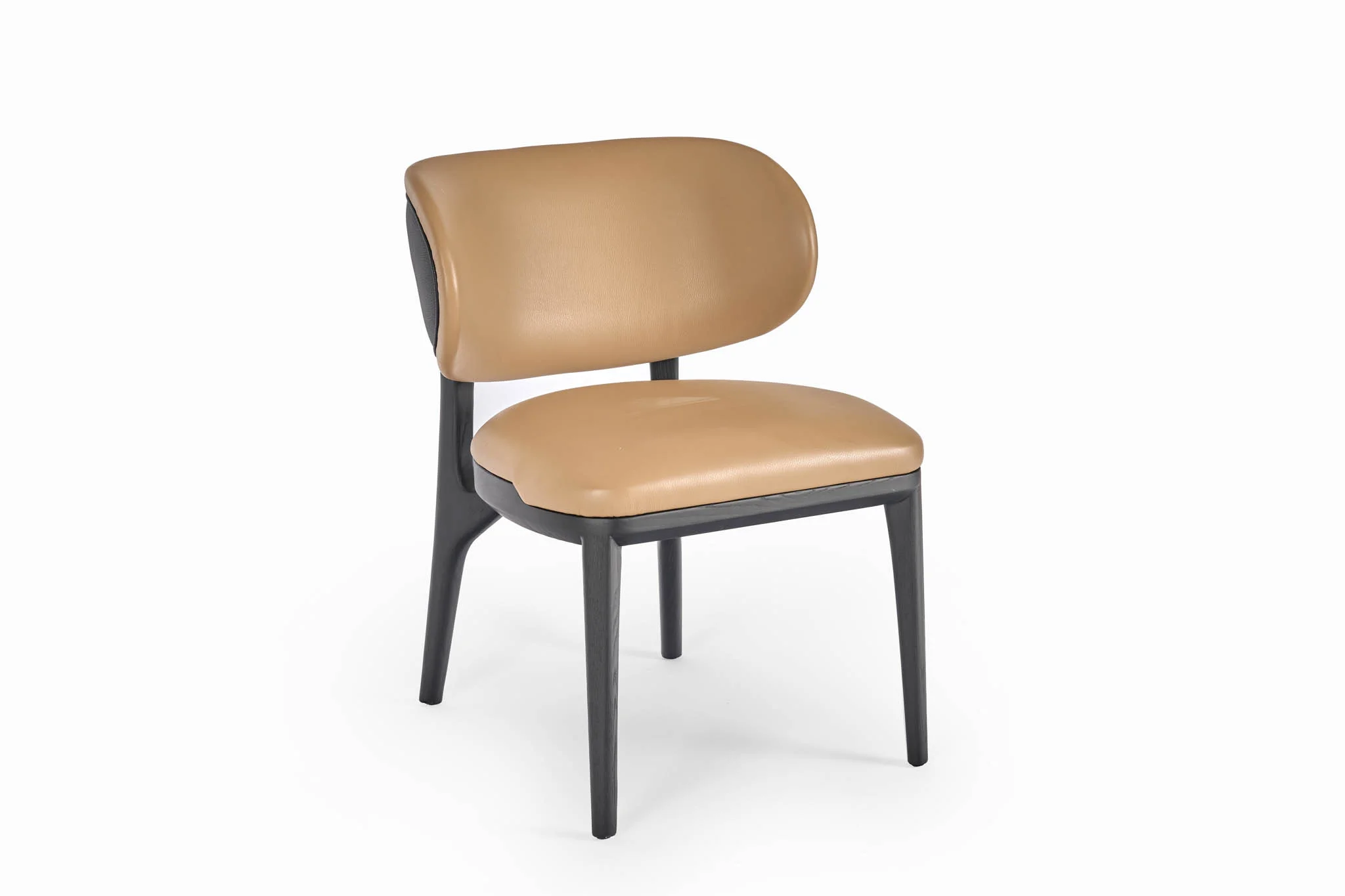
The round marble table is listed at Ø150 × 75 cm with a metal base and lazy Susan. The contoured dining chair is listed at 52 × 55 × 92 cm with fabric and wood. These references provide a starting group, but their actual fit and use need to be assessed together.
A table delivered early can be an impressive sign of progress while remaining difficult to use without suitable seating. Decide which chairs are needed for the first occupied stage and whether they are the final selected chairs. If temporary chairs are proposed, check their actual relationship with the table rather than assuming that any chair will do.
The 52 cm chair width does not settle the dining arrangement
The chair’s overall width identifies part of its footprint. It does not establish seat height, occupied movement or clearance beneath the table. Ask for the missing information and assess the proposed arrangement. A listed seating capacity for a table should not replace that review with the intended chairs.
For a couple occupying the house first and expecting family visits later, the initial seating quantity may differ from the final plan. Keep both arrangements understandable. The later addition should be considered in the table selection now, rather than discovered after the first stage has fixed an unsuitable dining layout.
If the remaining chairs will be ordered later, discuss how the selected version and material will remain identifiable. Do not assume permanent availability or an exact visual match across separate orders. Where a complete matching dining group is essential, that requirement may affect the decision to split the furniture purchase.
A buyer who wants the final dining group to be visually consistent may choose to resolve the complete chair selection now while staging another room instead. A buyer who accepts a deliberately mixed group may have a different option, provided the actual chair and table relationship is assessed. The important point is to make that choice before the first dining stage fixes the room’s direction.
The table’s components must reach a complete assembled condition
Ask for the supplied table components and assembly requirements, including the lazy Susan arrangement. The buyer should know whether the proposed delivery includes a complete table ready for the required installation step or separately handled parts. Do not infer the package count or assembly process from the finished image.
IKEA’s guidance on missing furniture parts notes that its own products may involve several boxes and directs buyers to the assembly information. The relevant general lesson is to identify all supplied parts before declaring an item incomplete or ready. HEZEN CASA’s actual packing and support arrangements must be confirmed separately.
Defer the formal sofa without letting it become an accidental temporary solution
The burgundy-and-white Nappa sectional is listed at 320 × 180 × 85 cm with solid wood. If the formal living area is not needed for the first stage, the buyer may choose to defer this substantial furniture decision. Keep the intended room arrangement and accepted covering information available so that the later phase remains coherent.
Do not assume that the sofa can be temporarily placed in any spare room until the lounge is ready. Its configuration and actual delivery requirements need their own assessment. A temporary placement that requires unnecessary later handling may be less useful than a deliberately agreed later supply stage.
The curved sofa’s later arrival can affect furniture already in use
If the dining area is being used before the formal lounge is complete, check how the later sofa placement relates to the existing daily routine. The concern is not only moving the sofa through the house; it is avoiding a temporary arrangement that becomes difficult to change once occupants rely on it.
For example, chairs borrowed from the dining group to create temporary lounge seating may leave the table short of usable places. Decide whether that compromise is acceptable and for how long, without inventing a promised delivery date. A deliberately limited temporary arrangement is clearer than an improvised one that quietly changes the purpose of the first phase.
The sofa’s final covering relationship should also remain distinct from temporary furnishings. If the owner makes later finish changes based on the temporary room, revisit how those changes affect the accepted whole-house scheme. A short-term arrangement should not automatically become the reference for the permanent furniture.
Keep the later sofa decision visible in the household’s plan for the occupied rooms. If the formal lounge will eventually take over an activity currently happening near the dining table, avoid buying unnecessary temporary furniture for that same activity without considering its later role. Phasing is most useful when the first purchases still belong in the completed house.
Agree what each furniture stage includes before arranging its release
A useful stage description identifies the actual bed, dresser, table, chairs or sofa; their selected versions; the supplied components; and the work needed to make them usable. Confirm the supplier’s proposed timing and any conditions that must be met. Public product listings do not establish an available production slot or a guaranteed completion date.
For the first bedroom, the unresolved item might be mattress compatibility. For the dining area, it might be chair fit or table assembly information. For the later lounge, it might be the sofa covering arrangement. These should remain separate questions so that the project does not confuse one completed decision with readiness of the complete house.
A buyer should also understand whether splitting the proposed supply affects packing, transport arrangements or coordination costs. Request the actual proposal for the selected stages. Do not assume that two partial deliveries have the same commercial basis as one complete delivery, or invent savings from either approach.
Review the first occupied bedroom before releasing another similar room
If several bedrooms are planned, observations from the first supplied bed and dresser may help the buyer assess later choices. Record the actual issue: an accepted material, an access question or a preference about storage. Do not generalize one room’s dimensions to every bedroom or treat a subjective preference as a fault in the furniture.
Where a later room needs a different bed size or storage arrangement, obtain a separate confirmed proposal. Phased occupation can make the decisions more informed, but it does not make later furniture automatically identical or interchangeable. The guide to identifying furniture for repeat orders explains the value of retaining the accepted references.
Release the first phase when the selected bedroom and dining furniture can support the agreed routine, with any limits clearly understood. Keep the formal sofa and later additions attached to their final purpose. The house can then develop in deliberate stages without confusing a list of delivered objects with rooms that are genuinely ready to use.