Warm vs Cool Lighting for Living Room Evenings: Choose More Than a Kelvin Number
For a living room used mainly to relax in the evening, warm-white light is a sensible starting point to try. A cooler white may suit some working activities, but choosing warm vs cool lighting for living room use should also account for brightness, glare and the way the light shows the furniture. A higher Kelvin number does not simply mean more light.
With HEZEN CASA's table lamps, woven floor lamp and integrated ceiling light, first establish which light source is actually offered. An E14 or E27 socket gives one kind of selection route; an integrated LED fixture gives another. Judge the resulting light with the real upholstery and finishes rather than choosing from the housing colour.
Separate warm and cool light from the amount of light
Colour temperature describes the appearance of the white light and is expressed in Kelvin. Lower values appear warmer; higher values appear cooler. Philips' LED guide uses 2700 K as a warm example and 4000 K as a whiter comparison. Those are general lighting references, not stated specifications for the HEZEN fixtures.
Lumens describe light output. Two sources with the same colour temperature can emit different amounts of light, so choosing the warmer one does not settle how bright the room will feel. The U.S. Department of Energy's explanation of lumens recommends comparing that output figure when selecting bulbs.
For a purchaser choosing a complete living-room set, keep both fields in the lighting information. A note that says only “warm lamp” leaves the source unclear. Record the actual offered colour temperature and output, then evaluate the fixture's shade, position and control as part of the room.
If a reading corner is too dim, changing from warm to cool white may alter its appearance without solving the amount or direction of light on the book. Identify which problem you are trying to solve before replacing the source. That keeps a comfort decision from turning into an arbitrary change across every lamp in the house.
Start with the replaceable source in the mushroom table lamp
A socketed table lamp lets the source specification be considered separately from the decorative housing, within the limits of the actual fixture. Confirm the allowed source type, physical fit and electrical requirements. A matching socket code is an important detail, but it is not the whole compatibility check.
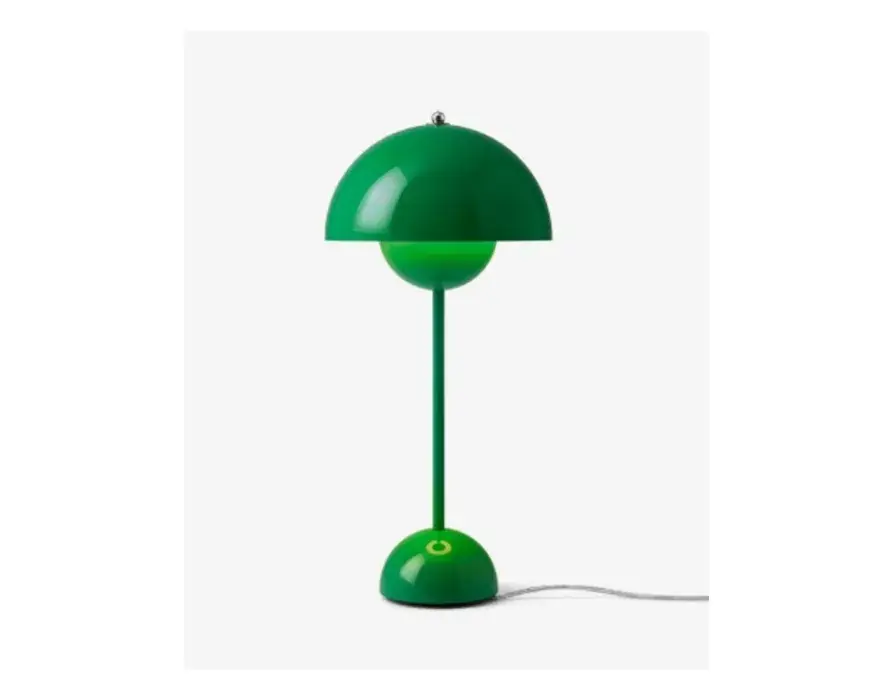
The green mushroom lamp is not necessarily a green or warm light
The Vintage Green Mushroom Table Lamp is listed at 35 × 35 × 50 cm, with E27 LED compatibility and a metal-and-glass description. The green housing gives it a definite decorative colour. It does not specify the emitted light's Kelvin value.
Choose the offered source and test the lamp on the intended surface. Look at the nearby upholstery and the view of the shade from a seated position. A source that looks pleasant as a bare bulb can behave differently inside the chosen housing, so the assembled lamp is the useful comparison.
For a residence using this lamp beside a sofa, try the evening scene with the ceiling light reduced or switched off as intended. The lamp may play a local decorative role rather than provide enough light for all activities. Describe that role clearly instead of expecting its colour temperature to compensate for an unsuitable position or output.
Keep the selected source identifiable after installation. If a replacement is needed later, “E27 warm white” may still leave several important differences unresolved. Retaining the approved source details helps a later replacement preserve the intended room appearance without implying that every compatible bulb will look identical.
Check the integrated ceiling light before planning a warm-and-cool switch
An integrated LED fixture is a different purchasing route from a lamp described around a replaceable bulb. The offered light engine and controls need to provide the intended appearance. Do not assume the colour can be changed later simply because other ceiling lights offer that function.
The 48 W wave ceiling light needs its own Kelvin and output information
The Rectangular Wave Texture LED Ceiling Light is listed at 60 × 40 × 8 cm, with an integrated 48 W LED description and dimming in its features. The wattage describes an electrical characteristic; it does not supply a Kelvin value or a lumen output for the room.
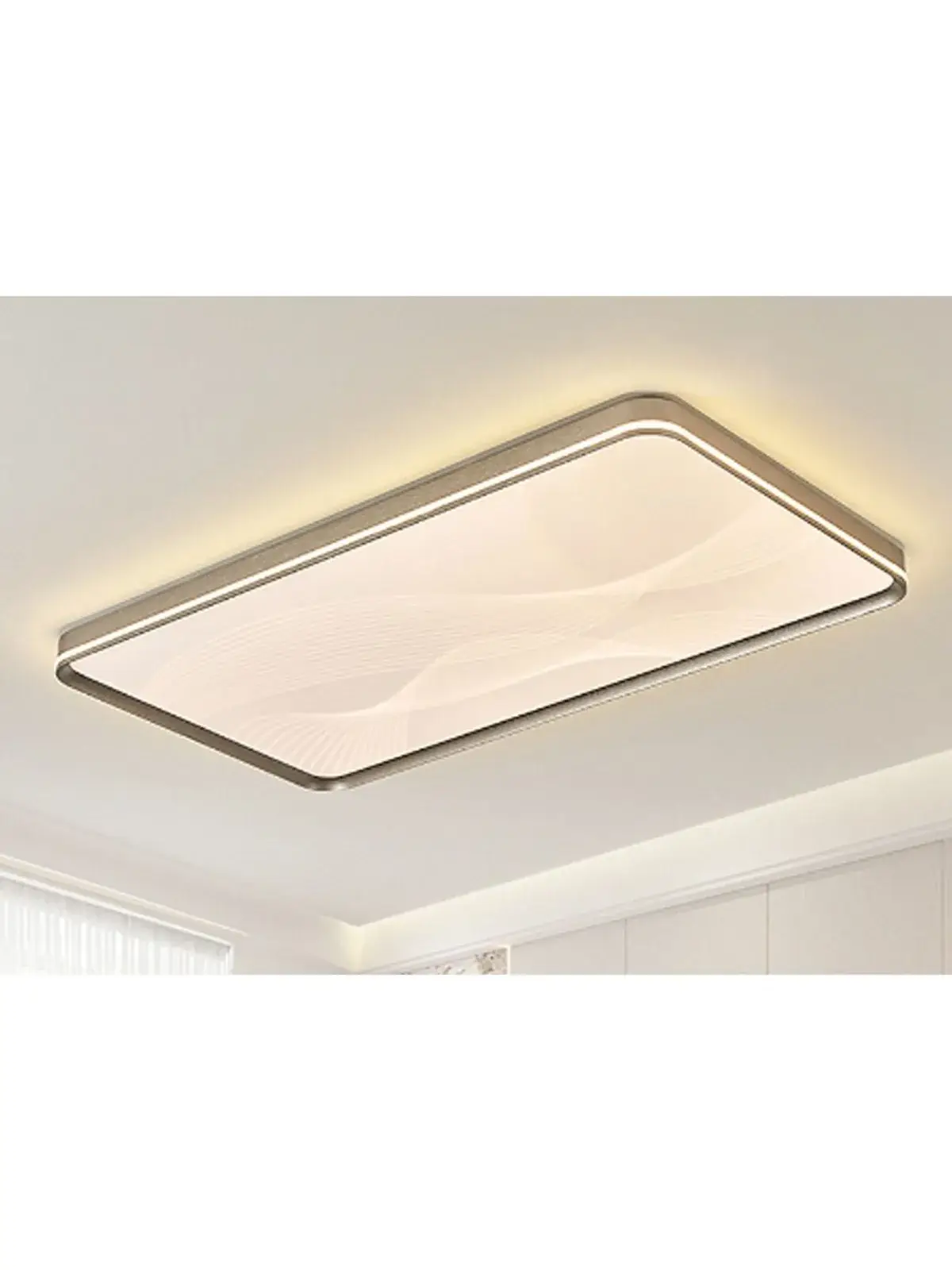
Ask which colour temperature is offered and whether any adjustment is part of that exact version. If the intention is a warm evening scene and a different working scene, establish how the supplied fixture would achieve it. Do not add tunable-white or selectable-colour functions to the specification unless they are actually available and confirmed.
For a project buyer coordinating the ceiling light with socketed lamps, compare the whole proposed combination. A ceiling source with one appearance and local lamps with another can be deliberate, but it should be reviewed in the room rather than discovered when the items are switched on together.
The low listed 8 cm overall depth can help describe the physical ceiling profile. It says nothing about the effect of the light on a particular sofa fabric or the amount reaching a reading position. Keep the size decision alongside the lighting-performance information without letting one stand in for the other.
When ordering several wave ceiling fixtures for a residence, identify the offered LED version for each room. A common-looking housing should not hide different source or control arrangements. Record whether the agreed light appearance is fixed or adjustable, and keep the corresponding instructions with that item. If the same fixture is proposed in both the living room and a working space, assess each use rather than accepting one room's lighting decision for both.
Use the globe and woven lamps to test local evening light
Table and floor lamps can create more local choices than a single ceiling source. One part of the living room may be used for reading while another is used for conversation. Set those activities in the layout, then choose compatible light sources and controls for the actual fixtures.
The E14 globe lamp needs a source that fits its intended role
The Minimal Globe Glass Bedside Table Lamp is listed at 25 × 25 × 45 cm, with a frosted glass globe, E14 LED compatibility and a dimming description. If it is considered for a living-room side surface, confirm its placement and offered source rather than assuming a bedroom-style globe is automatically suitable for every reading task.
The frosted appearance is part of the fixture description, but it does not establish a measured glare level from every seat. View the assembled light from the sofa and the chair opposite. The colour may be warm while the visible source remains more prominent than you want in a quiet evening setting.
The woven floor lamp adds a shade and position decision to E27 selection
The Woven Shade Conical Floor Lamp is listed at 35 × 35 × 160 cm with E27 LED compatibility. Its height and woven shade create a different light relationship from the lower globe lamp. Test the offered source through that shade at the proposed sofa-side position.
For a designer presenting a relaxed evening scene, it may be useful to compare the woven lamp alone, the globe alone and the two together. Keep the selected sources consistent during the comparison. Otherwise, a change in bulb output can be mistaken for a difference caused by the fixture or its colour temperature.
Compare warm vs cool living-room light on the actual furniture
A colour-temperature label cannot show you the whole effect on a fabric. Put the proposed upholstery sample in the room, in its intended orientation, and view it under the lighting combination being considered. Include the retained floor and nearby wood or stone rather than assessing the fabric against an unrelated background.
The off-white linen sofa makes neighbouring whites worth comparing
The Off-white Linen Fabric Modular Sofa With Side Storage Table is described with linen-blend upholstery and a solid wood side shelf, at 280 × 160 × 75 cm overall. Its broad pale fabric surface and smaller wood element give you two materials to view under the proposed evening lights.
Compare the sofa fabric with the wall white and the chosen rug reference. Under one source they may sit comfortably together; under another their differences may become more obvious. The right decision is the combination you prefer in the real setting, rather than a promise that one Kelvin number makes all neutral materials match.
Keep the shelf finish in this test as well. The linen sofa's small solid wood element may look warmer beside the fabric under one proposed source, while the fabric itself appears less distinct from the wall. Move the references into their approximate room positions instead of stacking them directly beneath the brightest lamp. Record which source combination produced the accepted appearance so the furniture selection and the lighting order continue to describe the same room.
Colour rendering is another part of the source information. It concerns how objects appear under the light and is separate from its warm or cool appearance. The Department of Energy's LED basics makes that distinction. No colour-rendering value is established for the HEZEN lamps by their socket or housing descriptions.
For a whole-home buyer, retain the approved evening-light references with the whole-house furniture colour scheme. This helps later rooms relate to the installed living area while leaving room for different activities and preferences.
Do not treat dimming as a promise that the light gets warmer
Reducing output and changing colour temperature are different functions. The Department of Energy's guide to colour-tunable LEDs distinguishes products that deliberately change colour as they dim from other arrangements. A general dimming description does not establish that behaviour.
For the wave ceiling fixture or the globe lamp, confirm the supplied control and source combination. For the E27 mushroom or woven lamp, confirm any intended dimming separately; socket compatibility alone does not provide it. Have the project's electrical compatibility assessed by the appropriate qualified person.
Once the combinations are settled, try the ordinary evening activities with the furniture in place: reading, talking and moving between the seats. Keep the setting that provides the useful amount of light and the material appearance you prefer. Use HEZEN CASA's furnishing service to resolve the offered fixture details, then retain the agreed source and control information with each item.