Sofa Seat Depth Guide for Upright Sitting and Lounging
A sofa can fit a room beautifully and still feel wrong when you sit down. This sofa seat depth guide starts with the measurement that matters to your body: the usable space from the front of the seat to the back support, with the normal back cushions in position. That is different from the sofa's overall front-to-back size. For a home, showroom or furnished project, compare that usable space with how people actually sit before approving a model.
HEZEN CASA's linen modular sofas, chenille seating and suede-and-leather designs give you different shapes to investigate. Their listed overall dimensions are useful for room planning. They do not establish an inside seat depth, so a purchase decision should include that measurement for the exact arrangement being offered. Start with a sofa you already find comfortable, a tape measure and an honest description of how you use it.
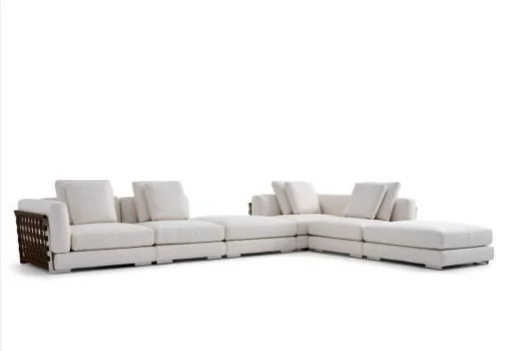
Measure a comfortable seat before choosing a sofa depth
Sit on your existing sofa in the position you use most. If you normally read upright, do not stretch out just because that makes a deeper seat look appealing. Notice whether your back reaches the cushion without your feet losing comfortable contact with the floor. Then move into your usual lounging position. One piece of furniture may suit both reasonably well, or it may clearly favour one.
With the sofa unoccupied, measure horizontally from the front seat edge to the front face of the back cushion at the relevant sitting position. Keep the cushion in its normal place. Record the method alongside the number; another person measuring to the frame behind the cushion would get a different answer. A photograph showing the tape is more useful than a number with no reference points.
Also record seat height, the back cushion arrangement and whether you add a small support cushion. These are comparison notes, not a medical assessment. The aim is to explain what feels right to you so a different sofa can be assessed on the same basis. Your height alone cannot describe your preferred posture, leg proportions or willingness to use an extra cushion.
The 280 × 160 cm linen sectional needs an inside measurement
The Minimalist Linen Fabric Modular Sectional Sofa is listed at 280 × 160 × 75 cm, with linen blend fabric and solid wood. Those dimensions describe the listed furniture arrangement. In particular, the 160 cm overall dimension should not be read as a 160 cm sitting depth at every seat.
For this sectional, identify the ordinary forward-facing seat separately from the projecting section. Request an inside measurement at each position you expect to use. A buyer who only asks for “the depth” may receive the overall footprint again, leaving the actual comfort question unanswered. Mark the seat on the image or drawing so the response refers to a recognisable place.
Use this sofa seat depth guide to separate sitting from stretching out
An upright seat and a place to put your legs up solve different problems. You can enjoy a generous chaise while preferring a shallower supported position for conversation. Conversely, a person who likes to curl up may find a formally proportioned seat restrictive even when its width is generous. Decide which positions the room needs, rather than asking one depth to satisfy every use equally.
For example, consider an apartment occupied by two adults with different preferences. One reads with feet on the floor; the other stretches out after work. A sectional may offer a workable compromise if the main seat supports the first person and the return suits the second. It is less convincing if both need the same corner to feel comfortable.
Side storage on the linen sofa does not add sitting depth
The Off-white Linen Fabric Modular Sofa with Side Storage Table also carries a listed overall size of 280 × 160 × 75 cm. Its side storage is a separate practical feature. It can provide a nearby surface, but it cannot compensate for a seat that is too deep or too short for the intended user.
When comparing this design with the minimalist linen sectional, ask for the same measurement points on both. Matching external dimensions do not prove matching internal proportions. Arm thickness, back construction and cushion position can change the space available to sit, even when the outer rectangles look alike.
For a project buyer furnishing several apartments, keep that distinction in the room schedule. “280 cm sofa” identifies a length class, not a comfort standard. If one apartment receives the side-storage version and another receives the minimalist version, assess both before treating them as equivalent choices. The useful comparison is between confirmed seats, not between similar catalogue numbers.
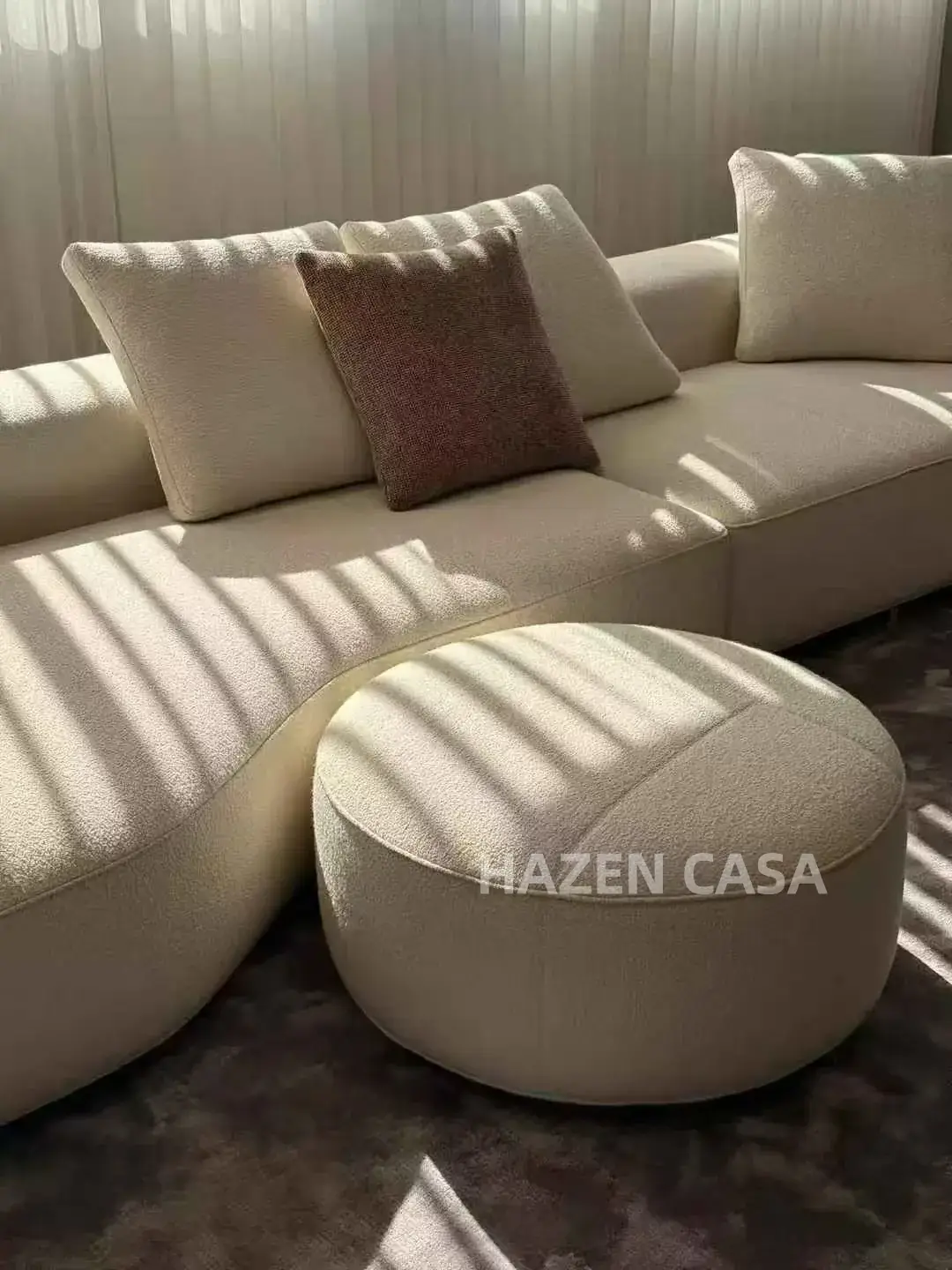
Back cushions change the space your body actually uses
A deep frame with substantial back cushions may offer less usable sitting space than its outline suggests. Moving or removing a loose cushion can change the feel again. That may be a welcome adjustment for lounging, but it should not be the only way an everyday seat becomes usable.
Ask whether the measurement includes the standard back cushion arrangement. If the response includes a depth without cushions, request the normal-use measurement as well. Keep decorative pillows separate in the discussion. A styling photograph with several pillows is not necessarily a technical record of the supplied cushion package.
The distinction between seat depth, height and cushion feel is also reflected in Room & Board's sofa comfort guide. These are separate characteristics to compare. Its individual sofa measurements belong to its own products and should not be applied to HEZEN CASA furniture.
Assess the chenille sofa with its normal back support in place
The Soft Chenille Cloud Sofa is listed at 320 × 190 × 82 cm. Its larger external footprint gives a room planner a different starting point from the 280 × 160 cm linen options. The product name and broad cushions may suggest relaxed seating, but they do not supply a measured inside depth.
For a family choosing this sofa, identify where each person expects to sit. Someone using the straight section may experience the back cushions differently from someone leaning into the corner. Request measurements for those positions and, where a sample can be assessed, try them with the intended cushions in place. Avoid comparing a fully dressed sample of one model with another after its back cushions have been removed.
A dealer considering the chenille design for a display should record the arrangement used during evaluation. If the display is later restyled with larger pillows, explain that change to staff. Otherwise a shopper may be testing the styling team's cushion arrangement while the order refers to a different supplied set.
Seat height and cushion movement can change a depth decision
A seat does not remain a rigid rectangle when someone sits on it. Cushion compression and back support affect where the body settles. That is why an unloaded measurement and a sitting trial answer different questions. Use the number to compare candidates, then use the trial to see whether the combination works for the intended person.
The Camel Suede and Black Leather Tufted Modular Sofa is listed at 300 × 180 × 85 cm. Its tufted surface and mixed upholstery are reasons to examine the actual seat construction. They are not evidence of a particular firmness or a shorter usable depth than the chenille design.
Compare the main sitting positions on the tufted modular sofa with those on the linen and chenille options. Note whether a cushion junction falls under the preferred sitting position, whether the front edge feels supportive and whether the back cushion keeps moving. These observations need an actual sample or a clearly documented demonstration; a product photograph cannot settle them.
The listed 75 cm overall height of the linen sectional and 85 cm overall height of the tufted modular design introduce another possible mix-up. Neither number tells you the height of the seat surface. A lower back can reduce total height without making the seat itself lower. Request the seat measurement independently, especially when the people making the final choice have already rejected a sofa because it was awkward to get out of.
If the preferred position on the chenille design is its corner, note the direction in which the person sits. Measuring straight out from one back cushion does not describe a diagonal lounging position across the corner. Keep the straight-seat comparison consistent and describe that corner preference separately. Otherwise the deepest position on one sofa may be compared with the shallowest position on another, giving a misleading impression of the whole piece.
If visiting a sample is impractical, a short video can clarify measurement points and cushion placement. It still cannot communicate exactly how the seat will feel to you. Decide which remaining uncertainty is acceptable before ordering several pieces, especially if the same sofa will be repeated across a furnished property.
Keep the sofa comparison small enough to make a decision
You do not need a page of unrelated specifications to compare sitting depth. A compact record can hold the measurements and observations that distinguish the shortlisted designs. Leave a blank marked “to confirm” where the selected product has no verified measurement; do not fill it with an estimate taken from a photograph.
| Comparison point | What to record for the selected sofa | What it helps you decide |
|---|---|---|
| Usable seat depth | Front edge to back support, with normal cushions | Whether upright sitting resembles a comfortable reference seat |
| Return or chaise position | A separate measurement and marked location | Whether the preferred lounging position is actually available |
| Seat height | Measurement method and any relevant sitting observation | Whether the depth works with the height for the intended user |
| Cushion arrangement | Standard back cushions and any additional support pillow | Whether the comparison depends on a changed cushion setup |
For the two linen designs, this record tests whether similar overall sizes conceal different sitting proportions. For the chenille and tufted modular designs, it stops a larger footprint or a different upholstery texture from being mistaken for a known comfort advantage. That is the decision the measurements need to support.
Once the seat works, return to the room. A comfortable sectional still needs a usable route around its return and a reachable table. The modular sofa layout guide covers that separate space test. Keeping comfort and room fit as two linked decisions makes it easier to see why a candidate succeeds or fails.
Before approving the order, be able to point to the seat you tested, the back cushions you used and the measurement you accepted. Choose the sofa whose everyday sitting positions suit the people using it. An impressive overall depth is a poor substitute for a comfortable place to sit.