How Sofa Cushion Firmness Changes the Way a Seat Feels
“Soft, but supportive” sounds like a clear sofa request until two people try the same cushion and disagree. Sofa cushion firmness is best chosen by comparing how a complete seat responds when the intended user sits, shifts position and gets up. The upholstery texture, the depth of the cushion and the furniture's product name cannot answer that question on their own. For a project order, approve a recognisable comfort reference before repeating the sofa across several rooms.
HEZEN CASA offers cloud-style chenille seating, tufted modular sofas, bouclé designs and linen sectionals. Those options provide different starting points for a comfort discussion. The available listings do not give a verified firmness scale or a complete cushion recipe for each one. A useful comparison therefore begins with the actual selected design and asks for the missing construction and sample information, instead of assigning scores from the photographs.
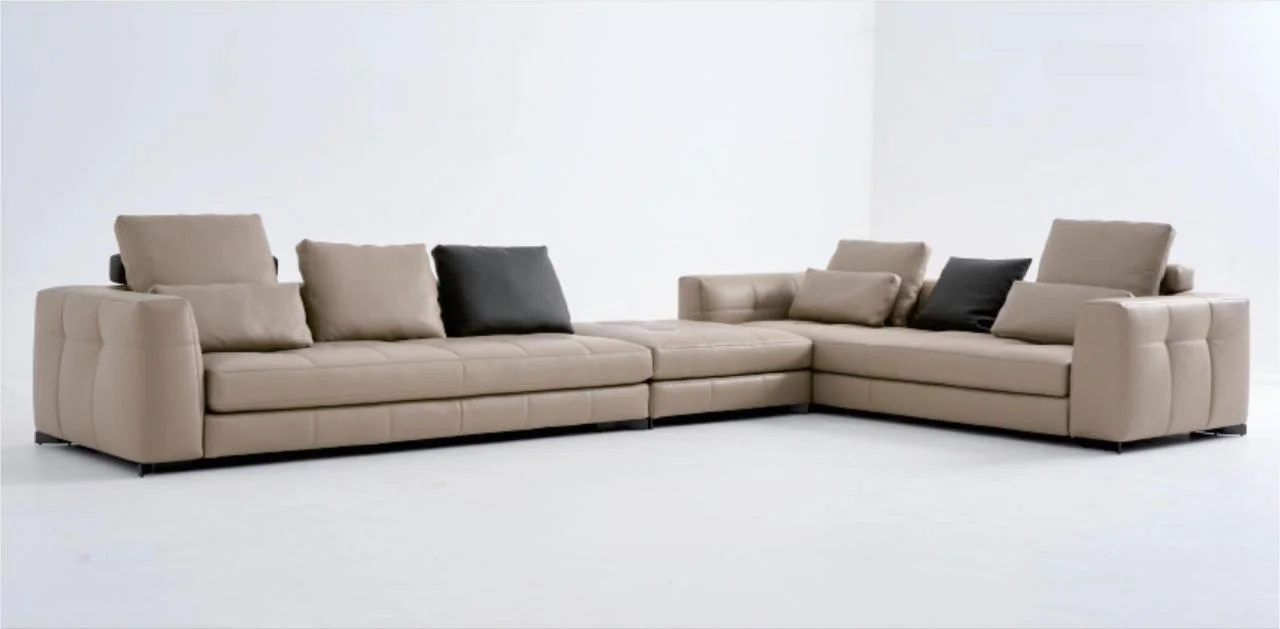
Describe sofa cushion firmness in three separate moments
The first moment is contact. Does the top of the seat yield immediately, or is there noticeable resistance before you settle? The second is sustained sitting. Once your weight is supported, do you feel comfortably held, too deeply sunk or pushed toward the edge? The third is getting up. Notice the effort involved, and then observe what happens to the cushion after it is unloaded.
These observations are more useful than asking whether the sofa is “luxurious.” They describe what the buyer actually wants to change. Someone may like a soft initial surface but dislike sinking further while reading. Another person may accept more movement because the sofa is mainly for stretching out in the evening.
Keep those preferences tied to a sitting position. Pressing a cushion with one hand is a quick way to notice its surface response, but it does not reproduce sitting on the completed sofa. The cushion, upholstery and support beneath it work together. Compare complete seats where possible, and state clearly when an assessment covers only a loose sample.
The chenille cloud sofa needs more than a soft-looking photograph
The Soft Chenille Cloud Sofa is listed at 320 × 190 × 82 cm. Its broad cushions and overall form make it a candidate for a relaxed lounge. That is an invitation to try the seating, not proof of a particular foam grade, filling combination or firmness result.
For a villa family room, compare the main straight seat and the corner position. A person who watches a film with feet raised may judge the sofa differently from someone sitting upright with a drink. If both uses matter, record both. Do not approve the entire arrangement solely because the most generous corner feels inviting during a short visit.
Also ask which back cushions belong to the supplied arrangement. An extra pillow can change how the body meets the seat and back, making the sample feel more supported. The approval should describe that setup if it is necessary to achieve the preferred feel.
Foam density and sofa firmness answer different questions
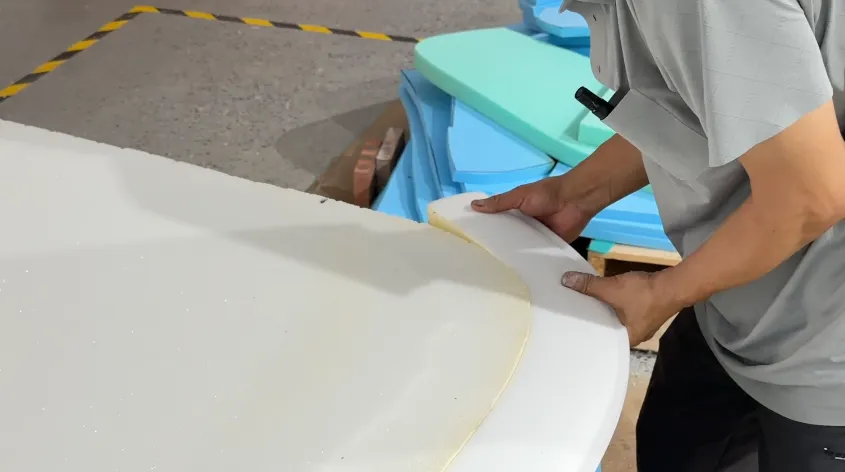
If a cushion specification includes foam density, do not read it as a simple hardness score. The Polyurethane Foam Association's performance guidance distinguishes density from firmness. It describes indentation force deflection, or IFD, as a firmness measurement. Density and firmness can vary independently.
That distinction matters when a supplier offers a technical figure in response to a comfort request. Ask which cushion component the figure describes and how it was measured. A core specification does not automatically describe the feel of the finished seat with its outer layers, cover and supporting structure. Nor does a firmness figure by itself establish how many years a sofa will retain its feel.
For HEZEN CASA selections, use any confirmed construction information as supporting evidence alongside the relevant sample. Do not invent a target density from a generic buying article and assume every sofa should meet it. The right discussion concerns the actual design, intended use and offered construction.
Tufting on the mixed-upholstery sofa changes the questions to ask
The Camel Suede and Black Leather Tufted Modular Sofa is listed at 300 × 180 × 85 cm. Its tufted construction gives a buyer specific places to examine: the main sitting area, the transitions between padded sections and the positions where separate modules meet.
During an assessment, sit where a person would naturally settle, then shift slightly across the surface. Notice whether the tufted pattern changes the feel in a way you like. Avoid declaring the whole sofa firm merely because the upholstery looks tailored. The surface shape and the resistance of the complete seat are related observations, not interchangeable descriptions.
A dealer choosing this design for a reception display may prefer a more composed sitting experience than a family selecting the chenille sofa for evening lounging. That difference can justify different comfort preferences. It does not establish that one model has better materials or is automatically suitable for a demanding commercial installation. Any project performance requirement needs its own evidence.
Compare complete seats before changing cushion specifications
When a sofa feels wrong, identify the problem before asking for a firmer or softer cushion. Too much usable depth can make a person slide forward. A back cushion may not support the preferred posture. An arm position may encourage lounging even when the buyer expects upright sitting. Changing the seat filling alone may leave the original problem untouched.
Bouclé upholstery is a surface choice, not a firmness category
The Modern Bouclé Curved Modular Sofa has listed dimensions of 300 × 180 × 80 cm. Bouclé describes the upholstery direction, while the sitting response still depends on the offered construction. A textured surface can look inviting without telling you how far the cushion will compress.
If this design is shortlisted alongside the tufted modular sofa, assess them using the same ordinary tasks. Sit upright, turn toward another person and stand up without changing the back cushions halfway through the comparison. Then discuss the surface preference separately. A buyer can prefer the bouclé appearance while asking for better evidence about the seat beneath it.
For a remotely managed apartment project, the person trying the sample should report what happened in those tasks, not simply send “very comfortable.” A short description such as “easy to sit forward for conversation, but the back pillow needed repositioning” gives the purchasing team something concrete to evaluate.
The linen sectional's low silhouette does not define its support
The Minimalist Linen Fabric Modular Sectional Sofa is listed at 280 × 160 × 75 cm. The 75 cm overall height concerns the complete piece, not a verified seat height. Its linen blend fabric and solid-wood listing likewise do not disclose the cushion's full construction.
Try this candidate because its size and appearance suit the room, then investigate whether its sitting response suits the people. If a buyer finds it difficult to rise from the sample, record the seat height and the amount of movement under load before requesting harder foam. The issue may involve several dimensions of the design.
A project coordinator should keep comfort decisions attached to the exact sectional arrangement. An approval for a straight seat is not automatically an approval for every corner or projecting position. If a different configuration is proposed, check whether the relevant seat construction and dimensions remain the same.
Make a comfort sample useful to the person placing the order
A sample review needs enough detail to be repeatable without turning into a laboratory test. Identify the sofa, the cushion setup and the people evaluating it. Describe the room use first, because a brief reception conversation and a long evening on a family sofa create different expectations.
- For the chenille cloud design, record how the usual lounging position feels after settling, as well as the first impression.
- For the tufted modular sofa, note whether the preferred sitting positions fall comfortably within the padded sections.
- For the bouclé option, separate the upholstery preference from observations about cushion resistance.
- For the linen sectional, record any relationship between seat height, depth and ease of standing.
Ask how the sample relates to the furniture that would be supplied. If a construction change is offered, have the change described before assuming that the original comfort approval still applies. “Make it a little softer” is a conversation starter; it is not a complete agreement about which part of the seat will change.
For the chenille cloud sofa, distinguish a request for a softer surface from a request to sink farther into the whole seat. Those preferences may lead to different discussions about the offered construction. For the tufted modular sofa, check whether a proposed cushion alteration would also affect the intended surface profile. A comfort change should not quietly become an appearance change that the designer has never reviewed.
Compare like positions when a revised sample becomes available. If the original observation concerned the middle seat of the linen sectional, assess that position again instead of switching to the corner. Keep the original observation beside the new one so you can say what improved and what did not. This is especially useful when the purchasing decision involves several people who visit at different times and might otherwise describe different parts of the sofa.
The furniture sample request guide explains how to define what a sample is intended to establish. A small upholstery swatch can help with colour and texture, but it cannot approve the sitting feel of a finished sofa. Discuss the appropriate reference through HEZEN CASA's furnishing service when comfort is a deciding factor.
Agree what a cushion change should improve
If the chenille sofa feels too yielding for the planned use, describe when that becomes noticeable and where you are sitting. If the tufted model feels too resistant at first contact, explain whether it remains uncomfortable after settling. Those descriptions help keep a possible adjustment connected to a real problem.
For a repeat order, retain the approved reference and the written construction details that are actually available. Do not rely on a photograph to preserve a feeling, or on a remembered phrase such as “medium soft.” A second person should be able to recognise what was approved and which uncertainties remain.
Choose the cushion response you want to live with, then make sure the order identifies the sofa and arrangement that produced it. The useful outcome is a clear comfort decision attached to a real piece of furniture, with enough evidence that it can survive the journey from the sample discussion to the supplied seat.