What to Consolidate With a Luxury Furniture Supplier in China and What to Keep Separate
The marble dining table is approved, the bedroom fabric is still being discussed, and the sideboard must fit a recess that has not been measured. Putting these items on one invoice will not make them equally ready. An importer or project buyer working with a luxury furniture supplier in China should first decide which decisions can be coordinated and which goods can actually travel together. HEZEN CASA’s round marble dining table, dark wood credenza, boucle platform bed and sculptural accent chair illustrate four different supply tasks within one interior.
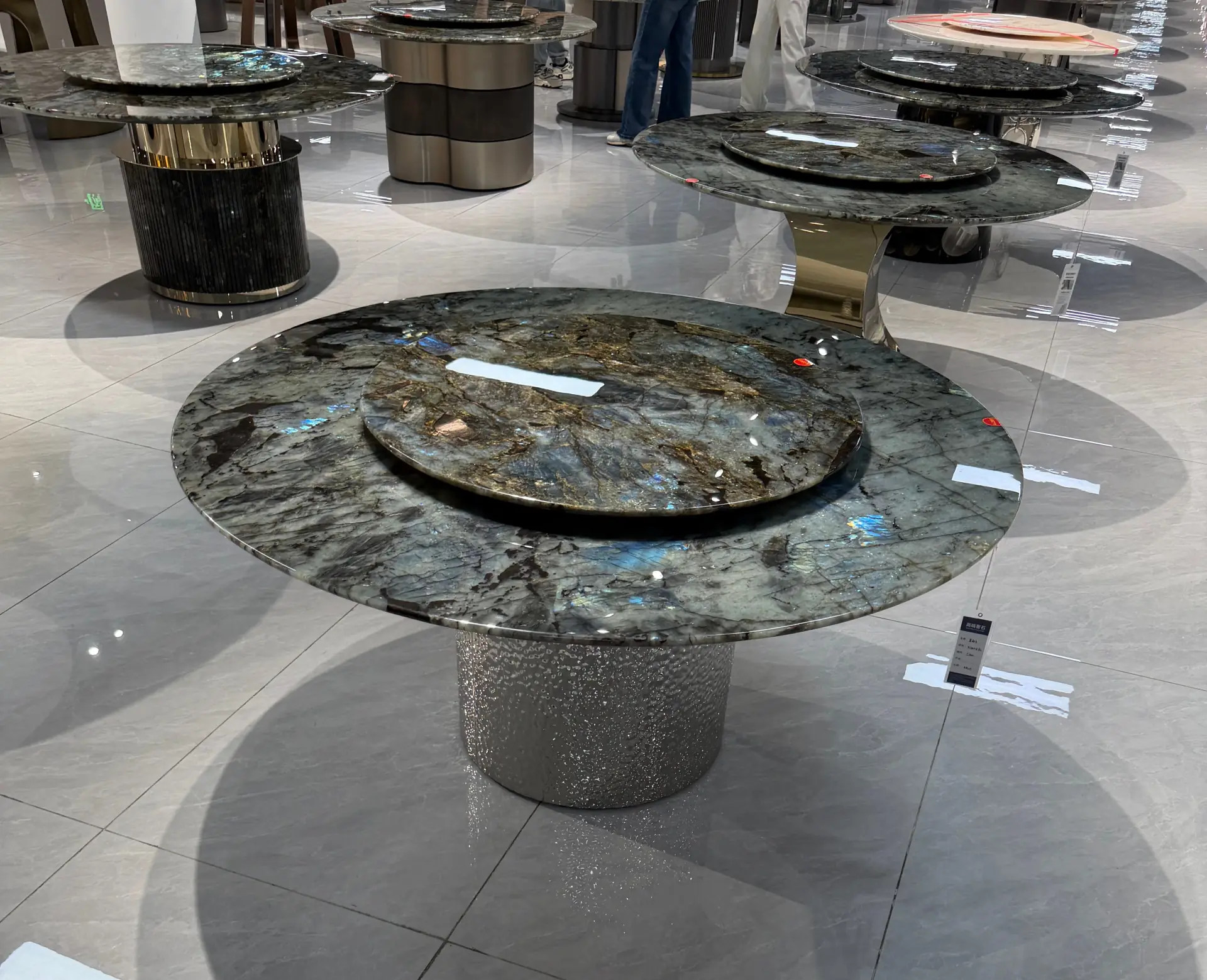
A luxury furniture supplier in China can coordinate decisions without merging every responsibility
HEZEN CASA describes furniture supply alongside interior design, custom drawing development, sourcing and international logistics. Its service offering is a useful starting point for a coordinated order, but those activities should have separate deliverables. Choosing furniture, developing a modified piece, purchasing an additional item and arranging transport are not interchangeable services. A buyer needs to know what has been approved, who is producing or sourcing it, and who will answer a discrepancy after receipt.
For the round table, establish the approved diameter, stone selection, base and rotating tray. The listed version is 150 cm in diameter and 75 cm high, with natural marble and metal. For the credenza, the listed 180 × 45 × 80 cm dimensions and dark wood veneer with solid wood define a different starting point. These descriptions help identify the goods, but neither identifies every packing component or delivery obligation. Keep the product approval attached to the supply line rather than expecting a room photograph to serve as the complete specification.
A buyer furnishing a dining room might want one company to coordinate both items while retaining separate approval dates. That is reasonable. The table can reach a defined design decision before the cabinet’s internal arrangement is settled. What should not happen is treating the table’s approval as permission to finish the cabinet by approximation. Consolidated coordination is valuable when it makes dependencies visible, not when it conceals unfinished decisions beneath a single project name.
The marble table and dark wood credenza need separate release conditions
The table is not ready for release merely because its top has been photographed. The buyer should have identified which base, rotating tray and assembly components belong to that top. The credenza needs its own dimensional and compartment confirmation. If it is intended for a dining-room recess, compare the approved furniture envelope with the completed room rather than using the nominal recess width from an early drawing. Release conditions should describe the particular goods that may proceed, not a vague statement that the dining room is approved.
Build the mixed furniture order around readiness, not just rooms
A room grouping helps the receiving team, but readiness may cut across rooms. The boucle bed could be ready while the dining cabinet is awaiting dimensions. Conversely, the table and chair might be complete while the bed’s mattress opening still needs confirmation. A useful supply schedule therefore records both destination and release status. It lets a project manager see the difference between a product awaiting a design decision and a finished item waiting for a shared shipment.
| Selected furniture | Decision that can hold it back | Information needed by the receiver |
|---|---|---|
| 150 cm marble dining table | Stone approval or missing base and tray agreement | Identity of top, base, tray and assembly parts |
| 180 cm dark wood credenza | Unconfirmed recess or storage arrangement | Finished envelope and permitted handling method |
| 210 × 180 × 100 cm boucle bed | Actual mattress opening and selected upholstery | Bed components, support arrangement and room assignment |
| 80 × 90 × 95 cm accent chair | Upholstery approval or placement decision | Protected dimensions and intended room |
These are planning questions, not claimed HEZEN lead times. The public listings do not establish how long a particular finish, custom dimension or shipment will take. Ask for dates against the defined versions and distinguish the date a decision is needed from the date goods are expected to be ready. If a fabric selection changes, a schedule should show the affected bed or chair rather than silently moving the complete project delivery.
A boucle bed should not inherit the accent chair’s material approval
The cream bed is listed with boucle and solid wood, whereas the sculptural chair is listed with boucle and metal. A shared fabric description does not prove an identical textile, color or construction. The chair’s curved upholstered form and the bed’s tufted surfaces can make the same-looking material read differently. If the project requires a visual relationship, record that relationship using the approved materials on the relevant shapes. A coordinator should not transfer approval from one item to the other simply to close an outstanding decision.
Imagine an overseas designer who approves a chair sample in daylight but reviews the bed only through a warm-lit photograph. A difference observed on arrival may be caused by the selected textiles, lighting, construction or a combination of them. The useful intervention happens before dispatch: obtain comparable views and a clear material reference for each item. This is a specific reason to coordinate approvals while maintaining separate product records.
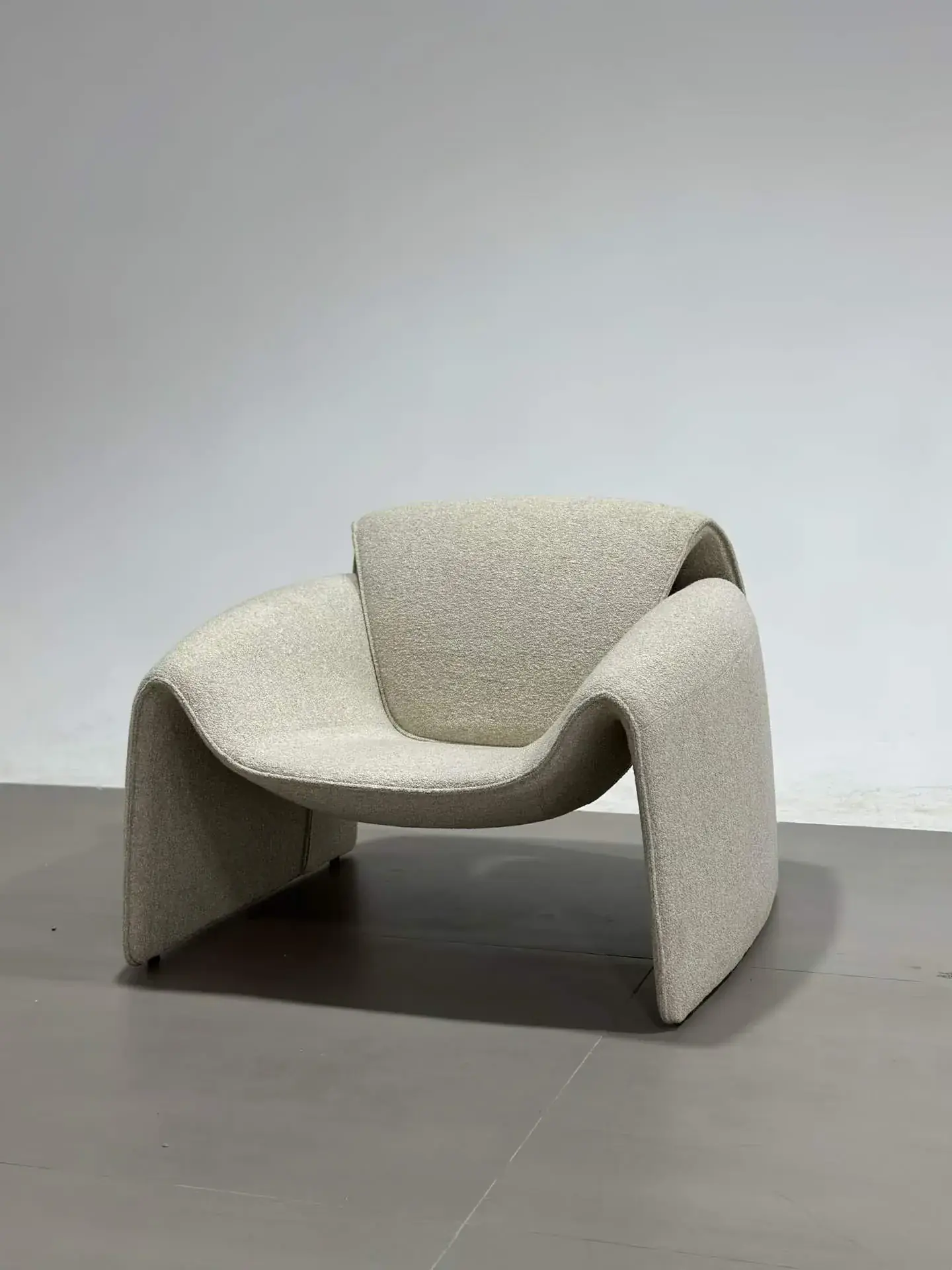
Choose between one furniture shipment and a deliberate split
Holding the marble table for an unfinished credenza can simplify receipt, but it may postpone a room that could otherwise be completed. Sending the table alone can protect that room’s programme while creating another transport and receiving event. Compare those consequences using the actual items and destination. There is no universal rule that consolidation is always cheaper or that splitting is always faster once storage, handling, access and receiving availability are included.
For a villa project, consider whether the dining room can be used without the credenza. If it can, the table may form a useful independent delivery group, provided the base and assembly parts travel with it. A bed is less useful if essential support components are in a later shipment. The chair can often be assigned to a separate room, but that does not mean it should be shipped without its approved protective packing. The decision is about a usable delivery group, not simply a count of finished pieces.
A distributor faces a different choice. A display table may be valuable only when the selected chair and room setting are ready for presentation. The same table can therefore justify waiting in one order and moving separately in another. Tell the supplier what creates commercial value at the destination. Otherwise, the shipping plan may optimize the number of packages leaving the warehouse while missing the reason the furniture was purchased.
Decide how the marble table waits and which parts travel together
Storage between completion and dispatch deserves a separate decision when the table is ready first. Ask where the approved top and base will be held, how their identities will remain linked and what evidence will be available before loading. Do not assume that a photograph taken at completion describes the condition after an extended holding period. If the credenza’s design remains open, agree when the table’s continued wait should be reviewed rather than allowing the delay to become indefinite.
The boucle bed and accent chair present a different waiting issue: approved upholstery can be harder to compare when samples and finished goods are reviewed at different times. Retain the applicable material references and identify which finished pieces they cover. If the designer revises the chair fabric while the bed waits, the coordinator should make clear whether the shared room palette is still approved. The storage decision, design decision and dispatch decision are connected, but they should not be collapsed into one unexplained hold.
A split shipment should be checked at component level. Identify the marble top, base, rotating tray if supplied, and any required assembly hardware in the applicable packing record. For the bed, identify the headboard, rails, support components and any agreed fittings. The supplier should confirm the actual construction and packing arrangement; these examples are not a claim that every item is supplied disassembled. The purpose is to prevent a visually complete order list from hiding an unusable first delivery.
Also decide how the receiving team will recognize a partial delivery. If the credenza follows later, its absence should be intentional and documented rather than treated as a loss discovered during unpacking. A clear list of what is included in each movement helps the project manager, warehouse and installer describe the same event. It also keeps photographs meaningful: a picture of four completed products does not prove that all four were loaded together.
Ask the luxury furniture supplier to name the delivery boundary
HEZEN’s international logistics description should lead to an order-specific discussion of the destination and services required. A warehouse address, a building entrance and an installed room are three different endpoints. The 180 cm credenza and the 150 cm stone top may need different handling arrangements after they reach the property. Confirm the route, access restrictions and responsibility for those movements before treating a transport quotation as a complete room installation price.
The ICC’s explanation of Incoterms distinguishes obligations, costs and risk between seller and buyer. Use the agreed trade term and named place alongside the actual service description. Do not assume that a short commercial term answers who carries the credenza upstairs, assembles the bed or removes the stone table’s packing. Those practical tasks need to be addressed in the furniture delivery scope.
For a remote buyer, the handoff may pass through a freight forwarder before the room team sees the goods. Give that intermediary the relevant package identities and handling information. A stone table should not disappear into a generic entry reading furniture, while the receiver is left searching for its base. Likewise, the chair and bed should remain distinguishable if their upholstery colors are close. Identification is especially useful when a mixed shipment serves more than one property.
Close the coordinated order with a usable destination plan
Before releasing the mixed order, review the four furniture lines together once more. Check that each has a defined version, a release decision and a delivery group. HEZEN’s guide to coordinating a villa furniture manufacturing brief helps separate manufacturing scope from the broader purchasing list. The supply plan should then connect those defined goods to the people and rooms receiving them.
Choose one shipment when the selected furniture is ready together and the destination can receive it usefully. Choose a split when an independently usable group has a clear reason to move sooner and the additional handling has been agreed. For this combination, that means deciding specifically what happens to the marble table, credenza, boucle bed and accent chair. A coordinated supplier relationship earns its value by making those decisions easier to execute, not by making every item appear to share the same timetable.