Evaluating a Hotel Furniture Supplier in China Across Guest Rooms and Public Lounges
The chair beside a guest-room window and the chair used throughout the day in a hotel lobby may look equally suitable in a mood board. Their operating requirements are different. When selecting a hotel furniture supplier in China, define the area, expected use and required evidence before approving the appearance. HEZEN CASA’s sculptural bouclé chair, wood-framed swivel chair, low leather platform bed and upholstered dining chair offer different starting points for that discussion. Their published descriptions identify furniture; they do not establish every hotel-specific performance requirement.
Tell the hotel furniture supplier in China what happens in each area
A guest-room chair may be used for reading, dressing or a short conversation. A public lounge chair can serve successive visitors carrying bags, drinks and laptops. A restaurant chair moves repeatedly relative to a table. Describe those activities to the supplier instead of applying the same specification to every upholstered seat in the building.
HEZEN’s design, custom development and sourcing services can support a coordinated discussion across furniture families. Establish which items are proposed from the existing range and which require development or sourcing. A coordinated order does not mean that every chair, bed and fitted element shares the same construction or approval evidence.
For a small boutique property, the owner may approve furniture directly with a designer. A larger project may involve an operator, procurement team and consultant. Identify who decides appearance, who defines operational requirements and who accepts the final version. The supplier needs a consistent brief rather than separate instructions that happen to use the same room name.
The bouclé lounge chair needs a use description before a fabric decision
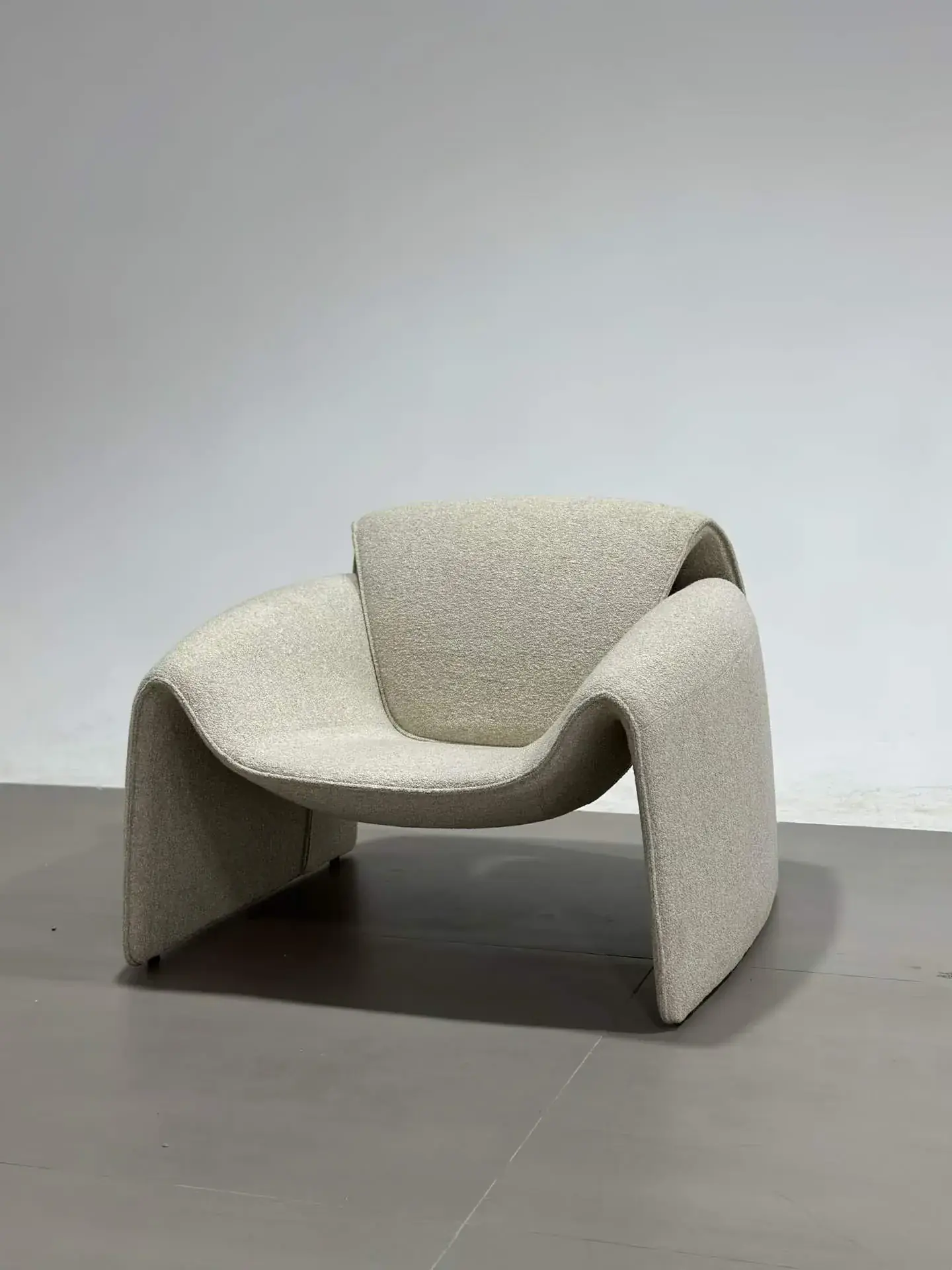
The sculptural chair is listed at 80 × 90 × 95 cm with bouclé and metal. Its enveloping upholstered outline can suit a seating composition, but those outside dimensions do not describe seat height, firmness or the ease of standing up. Review the actual sample with the proposed users and furniture arrangement before assigning it to a public lounge.
A hotel operator planning a quiet reading corner may value a more enclosed seat. A reception area where visitors frequently enter and leave may need a different approach. Test the activity that matters: sitting with a bag, turning toward another person, reaching a nearby surface and rising. These observations guide selection; they are not substitutes for documented performance requirements.
Ask which textile is proposed for the supplied version and which cleaning instructions apply to it. The word bouclé describes an appearance and texture direction, not a complete cleaning or durability specification. If the operator has an established housekeeping process, compare that process with the selected material before approval rather than assuming every upholstery cleaner is suitable.
Separate a hotel seating sample from its performance documents
A sample helps the team judge comfort, proportions and visible workmanship. A test report answers a different question about a defined product or material under a stated method. Connect any proposed report to the actual ordered version. A document covering another chair or another fabric should not be accepted merely because the supplier presents it alongside the sample.
The BIFMA lounge seating definition distinguishes lounge uses from standard desk-height seating. That is a useful reminder to define the intended furniture role. It does not demonstrate that these HEZEN chairs have been tested or certified to a particular standard. Obtain project-specific evidence where the operator or destination requires it.
Do not turn the phrase commercial use into a blanket assurance. State which requirements apply to the public lounge, guest-room seating and restaurant. Ask the supplier to identify available supporting information and unresolved requirements separately. If a required property cannot be demonstrated, the team should change the specification or selection before the order is treated as approved.
The swivel chair requires an operating envelope as well as a footprint
The wood-framed woven-fabric chair is listed at 65 × 65 × 85 cm with wood, linen and metal, and described as a swivel design. Confirm the operating movement of the supplied version. Its outside footprint does not show the space used by an occupant’s legs or the chair’s full movement beside a wall, curtain or table.
In a guest room, a turning seat could connect a window view with a conversation area. In a narrow lobby position, that same movement may interfere with a circulation route. Have the sample demonstrated in an arrangement that represents the intended placement. Avoid assuming that rotation is always an advantage simply because it appears as a feature in a product description.
Ask how the mechanism and surrounding upholstery are maintained and accessed on the ordered version. If the property expects to keep a chair in service for an extended period, replacement and service information matter. The published listing does not establish spare-part availability or a repair response time. Resolve those expectations in the supply discussion without inventing an operational promise.
A dining chair belongs in a table trial before restaurant approval
The upholstered dining chair is listed at 54 × 56 × 93 cm with fabric and solid wood. Its dimensions give the team a useful scale reference, but the overall height is not seat height. Obtain the dimensions relevant to the intended table, then test access, seated position and the movement required to leave the table.
A restaurant layout drawn with closed chairs can conceal the space needed during service. Review the chair pulled out and occupied, with nearby chairs and the proposed circulation path. The furniture supplier should understand which table and arrangement the chair must work with. Approving the chair alone does not approve the completed dining setting.
Restaurant upholstery should be reviewed against the cleaning routine
The operator may prioritize prompt treatment of spills and a consistent appearance across the dining area. Ask for the selected textile’s care guidance and relevant performance information. ACT’s performance guidance considers several textile properties; one abrasion result does not describe every aspect of upholstery suitability.
Keep the cleaning discussion specific to the chair’s surfaces and seams. A fabric approved on a flat swatch still needs to work around the seat edge and back. Review the sample after the agreed assessment, and record the selected material reference. Do not advertise a stain-proof or maintenance-free chair unless the actual claim has appropriate evidence.
A hotel with both a breakfast room and occasional formal dining may have different expectations for the same-looking chair. Explain whether the furniture will move between areas, remain in place or be stored between uses. The supplier can then address the actual handling requirement. The product description does not establish stackability, so do not plan stacked storage without confirmation.
The guest-room bed needs a complete sleeping arrangement
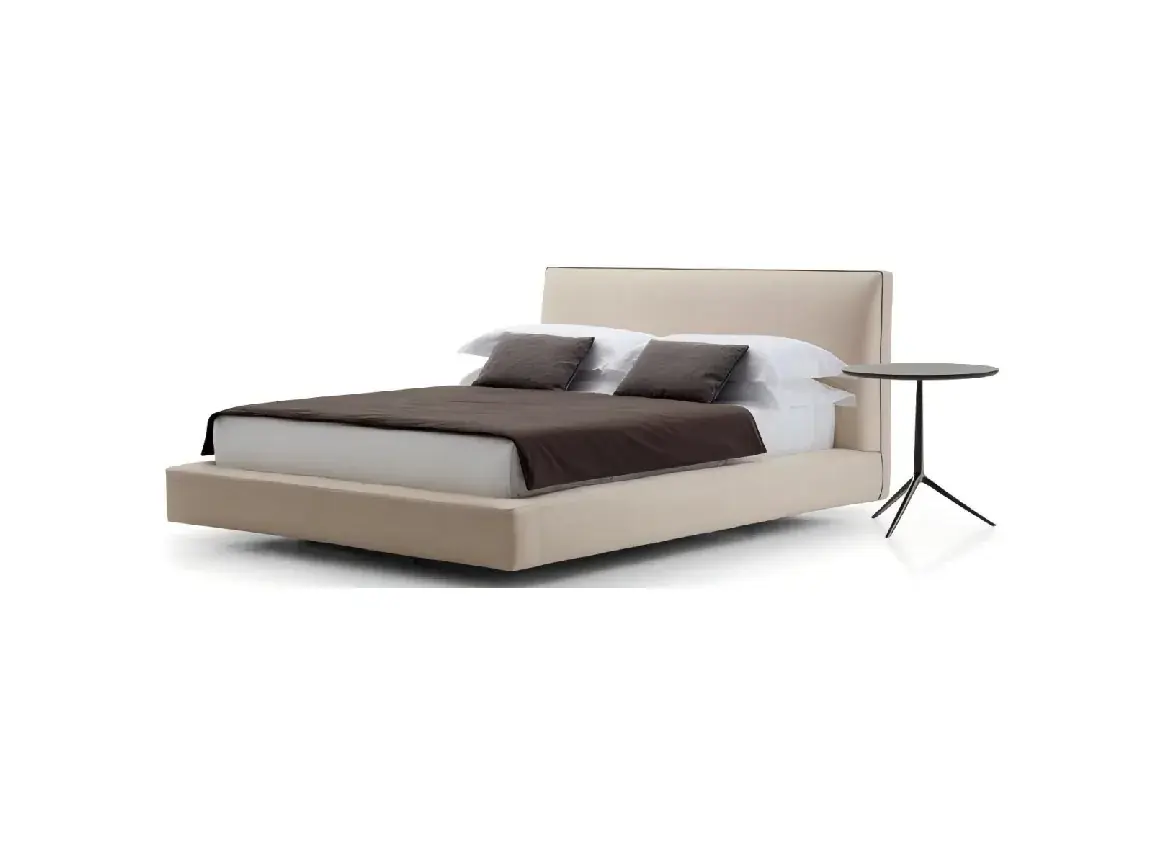
The beige Nappa leather platform bed is listed at 220 × 180 × 85 cm, with solid wood and Queen/King options. A hotel buyer should define the actual mattress and support requirements rather than relying on those size names alone. The outside bed dimensions do not establish the internal opening or the finished sleeping height.
In a room intended for frequent turnover, housekeeping access deserves attention alongside appearance. Review the actual bed arrangement with the proposed mattress, bedding and nearby furniture. Consider how staff reach the relevant surfaces and whether the room’s door or other furniture restricts that work. Do not infer cleaning clearance from the low-profile photograph.
The bed and mattress coordination guide explains the interface in more detail. For a hotel order, apply it to each relevant room type. Two rooms using the same named bed may have different mattress selections or architectural constraints, so a shared product label is not enough to approve both arrangements.
Package the hotel order around identifiable rooms and components
Room identification is useful only when it remains connected to the actual furniture version. A guest-room chair and a lobby chair may share a color but require different materials or construction details. Ask for the packing information to preserve those distinctions. Receiving staff should not have to judge an item’s destination from a distant photograph.
For the bed, identify which components and fittings belong to the selected size. For the dining chair, distinguish the approved restaurant version from any similar guest-room seat. For the swivel chair, obtain the handling instructions applicable to its mechanism and base. These are requests for the actual supply arrangement, not claims about a standard HEZEN packing method.
A refurbishment may require furniture to arrive by completed floor, while a new property may receive a larger consolidated delivery. Discuss the destination’s storage and installation readiness before choosing the shipment grouping. A room that is still being painted or used for construction storage should not automatically become the holding area for finished upholstery.
Ask for readiness and shipping dates against the approved scope. A custom material, revised bed size or unresolved performance requirement can affect a particular supply line. Keep those dependencies visible instead of attaching one unexplained date to the whole hotel. No public product description can establish the lead time of an order whose final version has not been agreed.
Consider a replacement order for an operating restaurant. The buyer may want the 54 cm dining chair to arrive in groups that can be inspected and placed without removing every existing seat at once. Explain that operational sequence before confirming the shipment plan. The useful unit of delivery is the group the property can receive and use, which may differ from the quantity shown on the purchase order.
A lounge refurbishment raises another question: whether the sculptural chair and swivel chair are alternatives or belong to the same seating group. Identify that relationship before asking for combined quotations. A price comparison between one fixed chair and one rotating chair is incomplete if it ignores the different movement, material and maintenance information the property requires.
For guest-room beds, retain the size and room-type identity when quantities change. Adding several beds late in procurement should not silently introduce another mattress assumption. Reconfirm the applicable version and its readiness, particularly if the extra rooms differ from those already approved. That keeps a numerical order change connected to the physical furniture the operator will receive.
Approve the hotel furniture that the operating team can actually support
Bring the operator into the final review with the designer and procurement team. The designer can explain why the sculptural chair belongs in the lounge; the operator can explain how it will be used and maintained. The dining chair should have a table relationship, and the bed should have a confirmed sleeping arrangement. Each decision needs its own evidence.
If the lounge chair meets the visual brief but a required material document is missing, keep that issue open rather than allowing the attractive sample to settle it. If the dining chair works at the table but cannot be handled as intended, reconsider the operating plan or selection. A useful hotel supplier relationship makes these differences visible before quantities turn an unresolved detail into a building-wide problem.