Luxury Upholstered Beds With Lighting for People Who Share a Room
One person wants to keep reading while the other is ready to sleep. That is the test a light in a luxury upholstered bed needs to pass if you are buying it for reading. A luminous headboard can make a bedroom pleasant to enter, while a small lamp directed toward an open book can do a separate job at the pillow. Our bed and lamp ranges let you compare those choices using actual pieces. Start by deciding where light should land, and who needs to control it when both people are in bed.
At HEZEN CASA, we manufacture and supply furniture from Foshan. We offer upholstered headboards with different types of lighting as well as standalone bedside lamps. If you are outfitting guest suites, choosing stock for a showroom or coordinating a villa, bring the selected mattress into the discussion early. A change to its thickness or the bedside table position can alter whether a switch is easy to reach and whether the light falls across a book or into someone else's face.
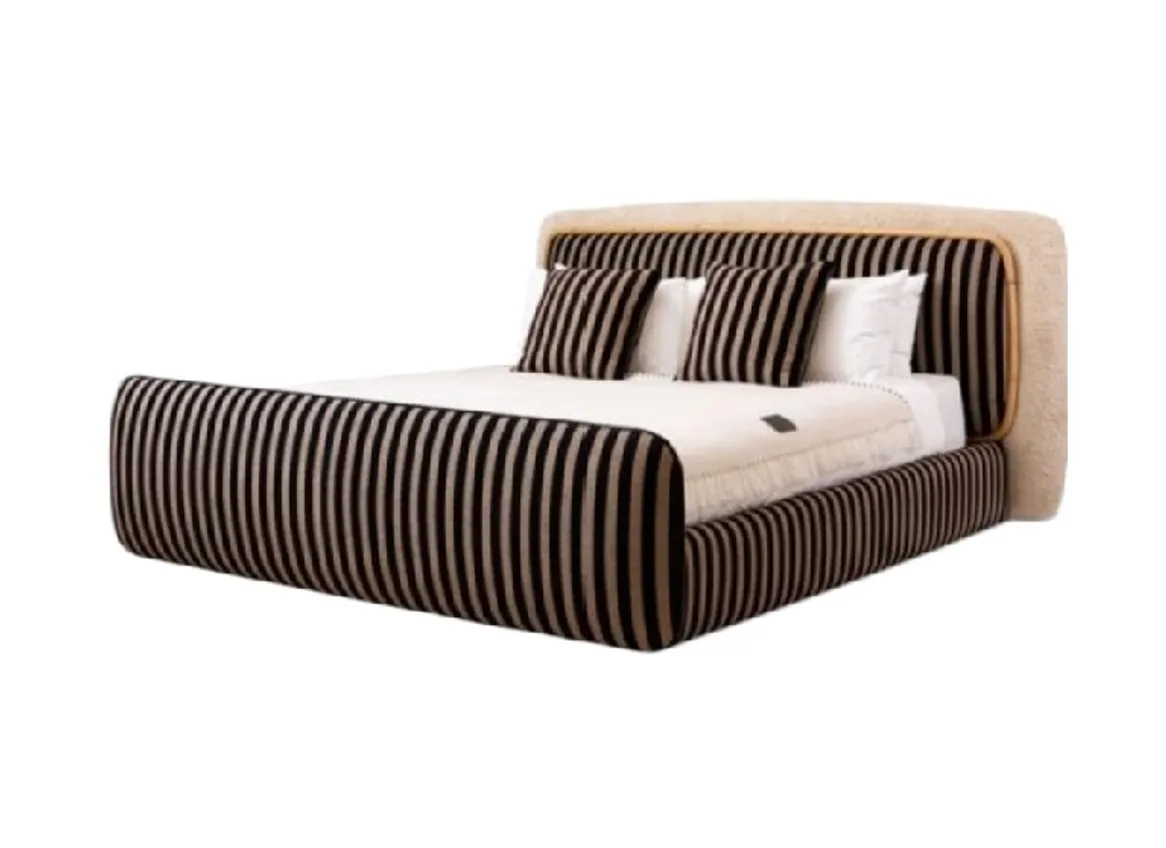
Give the headboard glow and the bedside reading lamp different jobs
Try entering a room with the ceiling light off and the headboard lighting on. Look at what it does for the wall, the furniture and the route to the bed. Then settle into the intended reading position and open a book. Light enough to enjoy a room may still be poorly placed for a page held in somebody's lap. The U.S. Department of Energy residential lighting guide makes that distinction between ambient bedroom illumination and local light for tasks such as reading. Use it to decide what the equipment is there to do, then see how the selected products perform in the actual arrangement.
Test the LED headboard from the entry and from the pillow
Our White Leather Modern Bed with LED Headboard is listed at 230 × 180 × 115 cm, with leather and metal. The listing describes integrated LED ambient lighting. If the room brief is for a gentle glow at the head of the bed, this model gives you a concrete option to look at. A dealer can show the sequence to a customer: look from the door, sit by the bed, then lie on each side with the light on. See how the lit headboard sits in the room and whether a person lying down can see any bright source directly.
In a hotel mock-up room, the finish behind each bed may differ because units face different walls. Ask the designer to observe the LED headboard next to the actual wall and bedding materials selected for that room type. A nearby glossy panel can return the glow at a different angle than a flat textile. Keep the setting that is being evaluated visible in the approval photographs. If the operator needs a light to help a guest move from the door to the bed, have someone actually walk that route while the room is in its intended night setting. The effect in a furniture close-up tells you very little about that short walk.
A common mock-up mistake is making all the comparisons at the same time. Start by viewing the LED headboard alone. Then add the actual table lights and try the same route. Take note of which one makes the bedside table easier to locate and which one draws attention to the wall. That answer tells the procurement team whether the integrated option is earning its place or being kept for its appearance. In a two-room showroom, doing the comparison on the same wall finish helps keep the furniture and lighting differences in view.
Check whether the wingback reading lamps work for both sides
The Off-White Wingback Tufted Linen Bed with Built-in Lamps is listed at 230 × 190 × 130 cm with linen and solid wood. Its listing describes reading lamps in the winged headboard. That sounds promising for people who would like the lamps integrated into the furniture. Sit against the thickness of mattress and pillows you plan to order. Check where the light falls on the page and what the other person can see from their side. Ask how each light is controlled on the version being purchased. Left-and-right switching arrangements should be demonstrated and recorded before the buyer relies on them.
For a villa with one reader and a lighter sleeper, arrange the test the way they actually use the room. Have the reader sit against two pillows if that is what they do at home, then slide down as if they are about to turn off the light. The switch position that felt convenient when they sat on the edge may be much harder to reach. The other person can lie down and look across. If the lamp is visible in their line of sight, try a different position or compare with a separate fixture. A difference of a few inches can decide which light each person will actually use.
Choose separate table lamps when you need a reversible bedside layout
Separate lamps make it easier to change the light and the furniture independently. They also take up table space, and the surface around a lamp remains part of the plan. Put the base on the chosen table with a phone, glasses and a glass of water. Find a place for the cord by using the actual positions of the furniture and its supply. Make sure the operator can still reach the lamp without dragging the phone over the edge. If room layout may change later, a separate light is worth comparing because the position of a reading surface doesn't have to follow the headboard.
Compare a frosted globe beside the bed with a shaped metal shade
The Minimal Globe Glass Bedside Table Lamp is listed at 25 × 25 × 45 cm with a frosted glass globe, a metal stand and E14 LED compatibility. Its overall height and visible shape can help you assess placement next to an upholstered frame. Set it where the globe would actually sit relative to the mattress and the person lying beside it. If the aim is to make the room easier to use without ceiling lights, this gives you a separate source to evaluate. If the aim is a tightly directed reading area, take the same page test before picking it based on looks.
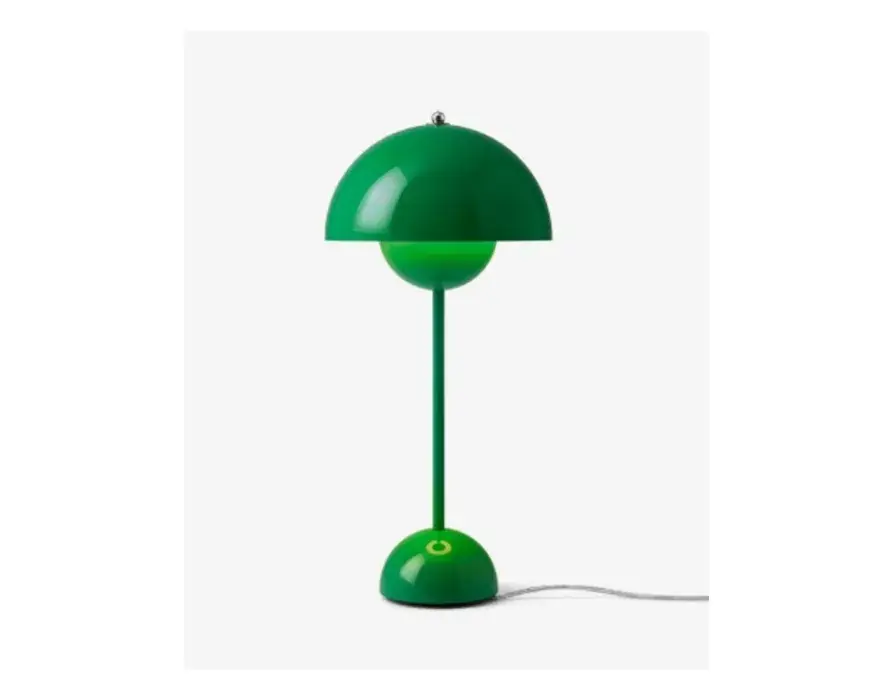
The Vintage Green Mushroom Table Lamp, listed at 35 × 35 × 50 cm, has a metal and glass specification with E27 LED compatibility. Compare its silhouette and the amount of surface it needs with the more compact globe. Set the shade at the proposed eye level and look up from the book, then across the bed. Confirm the lamp options and light source for the actual version. The visible height and shade outline help choose a location, while the physical demonstration does the work of telling you whether a light is comfortable in that position.
Use the Italian Minimalist Bedside Storage Table, a solid-wood option listed at 50 × 40 × 55 cm, to make the comparison concrete. Work within its actual usable top and mark where each lamp's base sits. Ask for the base dimensions separately where the listing gives the overall size, since shade width and base width can differ. A large shade may still project into the area used by an elbow, especially if a bed's upholstered side rail already narrows that part of the room. Check the projection from the position where someone gets up.
It is fine for the two sides to use the same table and different lighting where the room design allows it. One side can carry a lamp and a book, and the other might need a clear place for a phone and a glass. Compare the resulting light from the doorway. If symmetry was promised in the interior drawings, ask the designer to confirm whether matched lamps matter more there than matched task light. In multiroom procurement this is the kind of detail worth documenting on the room schedule. Otherwise, the furniture may be ordered in matching pairs even when the brief calls for the two surfaces to behave differently.
Try the lamp with the drawer open if the table also stores a glasses case or phone charger. The table surface is where these tasks will take place, often with one hand. Check that the larger green shade gives enough space to set a book down without reaching round the stem. Then try the smaller globe with the actual clearances beside the bed, because the smaller outside footprint may free space in a more convenient part of the table. The dealer can show both on the same casegood before a client has to commit to an entire bedroom layout.
Rehearse the night-time controls on one furnished sample room
Start the rehearsal with the lights left as they would be after someone finishes dressing. Walk to the bed, sit, turn on the chosen reading light and leave the general light off. Ask another person to stand by the door, and then lie down on the other side. Check if both sides can get back to their preferred light setting without getting out of bed. For a show unit with the integrated LED bed, compare the headboard with the standalone lamps switched off. For a room with a reading fixture in a wingback, try finding its control without turning on the overhead light. These are separate checks worth making at the same mock-up.
Document the exact bed variant and the intended mattress top. Our upholstered bed size guide explains why a catalogue bed envelope and the mattress position answer different questions. A light can be fixed in the furniture and still end up in a different place relative to a person's eyes once the mattress changes. Show the height used in the mock-up on the approved drawing. Note where the lamp sits, which control was tried and what the two people could see. Passing on those observations is more useful than telling the receiving team that the headboard light looked good.
Have the supplier provide the lighting and installation details for the exact configuration and destination. Ask your project electrician to review those requirements and how the fitting will be serviced. If the brief calls for a familiar control, decide whether it belongs to the room, to the table lamp or to the headboard. Keep the approved configuration with the order. Exclude any feature you could not establish in the demonstration, including independent switching or dimming if those were only assumed. The controls that a guest actually uses deserve the same attention as a fabric selection.
In a room where the wardrobe includes its own lighting, perform the test with that door open too. From the pillow, someone might notice the wardrobe spill first, even though the design team is judging the light in the wingback. View the headboard on its own once so you know what it does. Then repeat the ordinary sequence of opening storage, turning the other lights off and leaving one person reading. If the change is uncomfortable, the sample room is exactly where to question the control arrangement.
For a site with several different bedroom types, keep one reference photograph taken from the pillow and one from the door per accepted setup. Add the product or finish reference, not just which room shows it. If the taller mushroom lamp ends up in a lower suite, the pictures can help your team understand why another table or a different position was approved. If the wingback has been changed, have the illumination and reach demonstrated on the replacement assembly. Carrying over an accepted light by name is only useful if the geometry around the person using it remains similar.
Choose the light for the activity you tried and keep the control where you could reach it. If your sample room feels settled as soon as the entry lights go off, and somebody can turn a page without keeping the other person awake, the bed and the lighting are doing the jobs you ordered them for.