Headboard Height Guide for the Bed, Wall and Bedside Furniture
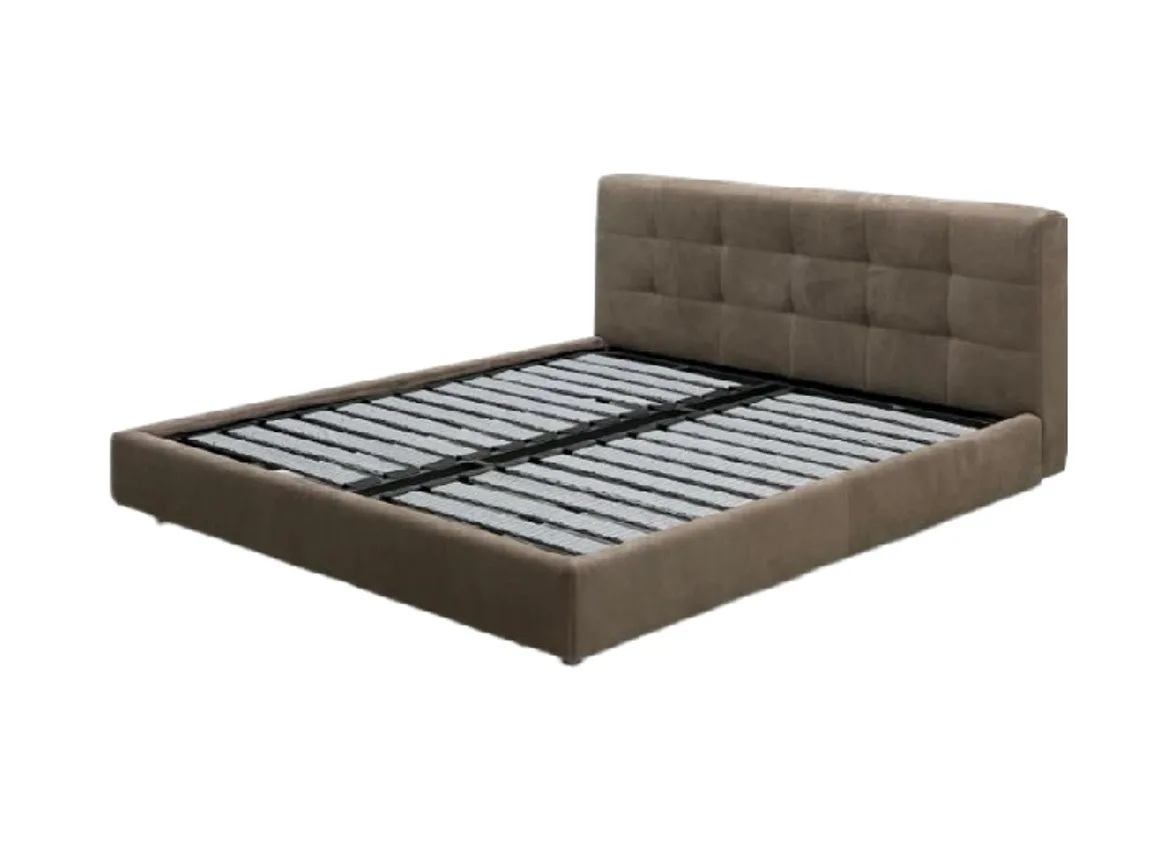
A headboard that looks tall beside an empty bed frame can almost disappear behind a thick mattress and a stack of pillows. This headboard height guide starts with that relationship. Compare the top of the headboard with the finished mattress level, then check the result against windows, wall details and bedside lighting. For a bedroom order, the useful decision is how the complete bed will look and work, not which catalogue photograph has the most impressive headboard.
HEZEN CASA's tall fabric, woven and low-profile linen beds offer different proportions to investigate. Their overall height figures provide a starting point, but they do not supply every dimension of the headboard, support deck or mattress opening. Confirm those reference points for the selected configuration before approving the bedroom elevation.
Start the headboard height guide with one floor reference
Use the finished floor as the common starting point for the drawing. Mark the top of the headboard, the mattress support level and the top of the chosen mattress. Then add the bedside surfaces and any fixed wall features. Measurements become much easier to compare when they all refer to the same floor level.
Keep three different ideas separate: the overall height of the bed, the height of the headboard component itself and the amount of headboard visible above the mattress. A component can extend below the mattress line, so its total height does not equal the visible upholstered area. Similarly, the highest point of a complete bed needs to be identified before treating an overall height as a headboard-top measurement.
For an existing room, measure from the actual finished floor rather than from a construction drawing that predates the floor finish. If the design includes a raised platform, show that level explicitly. A bed standing on a platform and a cabinet standing on the surrounding floor do not share the same starting height.
The tall fabric bed's 140 cm listing is a starting point
The Charcoal Grey Fabric Bed with Tall Headboard is listed at 225 × 190 × 140 cm. Its tall-headboard description makes it a candidate for a strong bedroom focal point. Confirm that the 140 cm overall height locates the top of the supplied headboard, then relate that point to the selected mattress.
A buyer considering this design for a master bedroom should also mark the headboard's full width and profile. Height alone will not show whether the bed overlaps a wall panel, a switch or the intended position of a lamp. The complete elevation is where those relationships become clear.
The listing describes hidden storage, but that does not establish the opening method or the height of the mattress support. Keep those details open until the offered construction is confirmed. The desired visual height should not be calculated from an imagined base mechanism.
Calculate the headboard visible above the mattress
Once the relevant measurements are confirmed, the basic comparison is straightforward: subtract the finished mattress-top level from the headboard-top level. The result describes the vertical area above the mattress before pillows and bedding are added. It is a useful design measurement, not a promise about how much upholstery will remain visible in every styled arrangement.
For illustration only, a support surface at 30 cm with a 26 cm mattress would place the unoccupied mattress top at approximately 56 cm. If the headboard top were at 140 cm, the difference would be approximately 84 cm. These are example calculations, not confirmed support dimensions for the HEZEN tall fabric bed.
A 26 cm mattress and a 32 cm mattress leave different visible heights
The Off-White Thin Stripe Hand Tufted Bed Mattress is listed at 200 × 180 × 26 cm. The Cream Check Plush Thick Comfort Mattress is listed at 200 × 180 × 32 cm. On the same confirmed support level, the listed thickness difference would raise the mattress top by 6 cm and reduce the headboard area above it by the same amount.
That comparison assumes the mattresses are compatible with the selected frame and installed on the same support arrangement. It does not prove compatibility from a shared size label. Confirm the internal opening and intended support conditions separately before using either mattress in the final calculation.
For a purchasing coordinator, this is a reason to keep the mattress decision attached to the bed decision. Replacing the proposed mattress late in the order can change the bedroom elevation even when the frame remains unchanged. The designer should see that effect before the revised combination is approved.
Do not add the mattress thickness to the overall bed height. The overall figure generally describes the complete furniture envelope, not the level on which the mattress rests. Adding 32 cm to 140 cm would not tell you the height of the sleeping surface or the visible headboard.
Check the headboard against the wall before choosing its visual weight
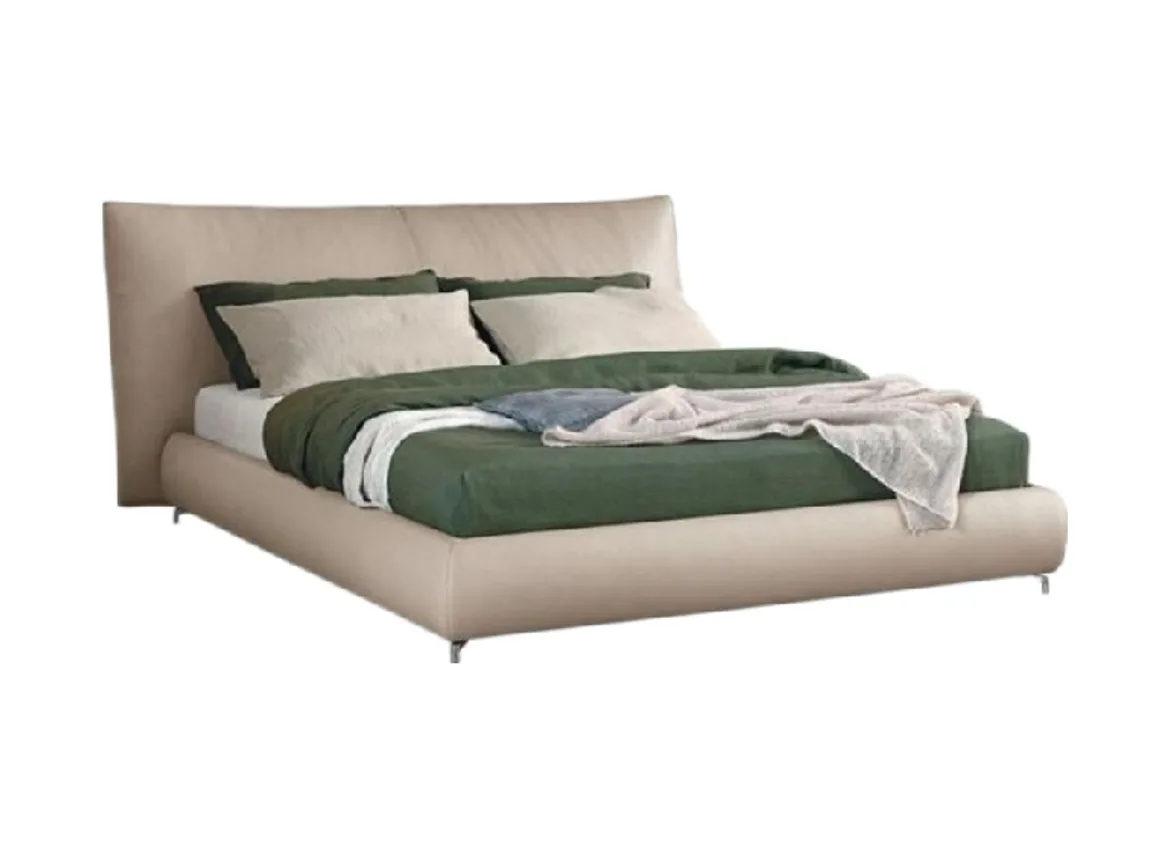
A taller headboard can give the bed a stronger presence, but that effect depends on the wall behind it. A plain wall, a low window and a panelled feature wall create different constraints. Draw the fixed features before deciding that a particular height will suit the room.
If a window sits behind the bed, check its actual sill, opening movement and access requirements. Do not assume that a headboard just below the sill is automatically acceptable. The window still has to function as intended, and the arrangement should respect the room's relevant requirements.
The woven bed offers a lower overall comparison
The Grey Woven Textured Bed with Wooden Frame is listed at 225 × 185 × 110 cm. Compared with the tall fabric bed's 140 cm overall height, it provides a different proportion to test on the same wall. Its 185 cm listed width also differs from the tall design's 190 cm width.
Place both confirmed outlines in the elevation, using the same mattress-top reference if the actual constructions allow that comparison. Then assess the visible headboard area and the space remaining above and beside it. Do not compare a bare tall frame with a fully dressed woven bed and attribute the whole visual difference to headboard height.
For a guest bedroom with a patterned wall, the woven bed's lower overall height may leave more of the wall treatment visible. For a master room with a broad plain wall, the taller design may be worth testing. These are design options to evaluate in the actual room, not fixed rules about which bed belongs in which type of property.
Use pillows and reading positions to test the headboard choice
Show the bedding the room is likely to use. A restrained pillow arrangement and several large decorative pillows can leave very different amounts of the same headboard visible. If a particular upholstered detail matters to the design, check that it remains visible after the ordinary bedding is in place.
Also consider how occupants sit up in bed. The position and support they prefer may involve pillows, the headboard profile and the mattress level. A taller back is not automatically a more comfortable one, and appearance alone does not confirm the construction's intended use. Evaluate a sample where possible and follow the product's actual guidance.
A buyer furnishing several guest rooms may prefer an arrangement that looks composed without a large stack of decorative pillows. In that case, compare the tall fabric and woven designs with the simpler bedding setup first. There is little value in approving a headboard because of styling that the room will not normally maintain.
The 90 cm linen bed needs a deliberately low composition
The Dark Grey Textured Linen Minimal Floating Bed is listed at 210 × 180 × 90 cm. Its low overall profile offers a different starting point from the 110 cm woven and 140 cm tall fabric beds. The word “floating” describes the design direction; it does not establish the mattress support height or underframe clearance.
For this lower candidate, check the mattress and pillow combination early. A thick mattress can reduce the visible headboard area substantially if the support level remains the same. That may suit a quiet, horizontal composition, but it should be an intentional result.
If the low linen bed seems to disappear behind the bedding, compare another offered bed or a compatible mattress arrangement rather than assuming the headboard can be raised. No adjustment range should be written into the order unless it has been confirmed for the actual construction.
Coordinate bedside lights with the selected bed elevation
Once the bed and mattress levels are clear, add the bedside furniture and lighting to the drawing. Check whether a lamp or wall fixture competes with the headboard detail, sits behind it or remains easy to use. A light placed for an earlier bed proposal may no longer work with the taller fabric design.
For the woven bed, review any relationship between the headboard panels and the bedside items. For the low linen design, notice whether a tall bedside arrangement becomes the strongest visual element. The goal is a considered bedroom composition, not a requirement that every top edge line up.
Keep electrical positions and installation decisions with the responsible designer or installer. The furniture drawing should show the intended relationship, but it cannot establish hidden wiring conditions or replace the relevant installation information. This is particularly useful when a bed is ordered before the wall finishes are complete.
Room & Board's bed-selection guidance provides general context for considering headboard presence within a bedroom. Its furniture details belong to its own collection. Use the confirmed HEZEN dimensions and your room's elevation when making the actual selection.
Approve the headboard with the mattress decision attached
Keep one drawing that identifies the selected bed, the confirmed headboard-top level, the mattress support and the chosen mattress. Add the bedding outline and fixed wall features that influence the decision. This record should make it clear which dimensions are confirmed and which are still awaiting a response.
The upholstered bed size guide covers the separate question of frame footprint and mattress opening. Use HEZEN CASA's bedroom furnishing service to resolve the offered bed configuration before the final order.
Choose the height that gives the finished room the balance and everyday use you want. Before signing off, look at the bed with the intended mattress and pillows shown. That is the headboard the occupants will actually see, rather than the taller-looking one in an empty-frame photograph.