Furniture Order Change Request: Make the Revision Clear Before Work Continues
A furniture order change request needs to identify the affected item, describe the proposed revision and ask for its consequences to be assessed. A message saying “use the other one” is rarely enough for a mixed furnishing order. For HEZEN CASA furniture, connect the request to the selected sofa, table or cabinet, then obtain a clear response before treating the revision as accepted.
The request is not the same as a confirmed change. Feasibility, price, timing and the status of work need to be addressed for the actual order. Do not assume that sending a new picture cancels the earlier selection or pauses anything already in progress. Make those questions explicit and keep the response with the item information.
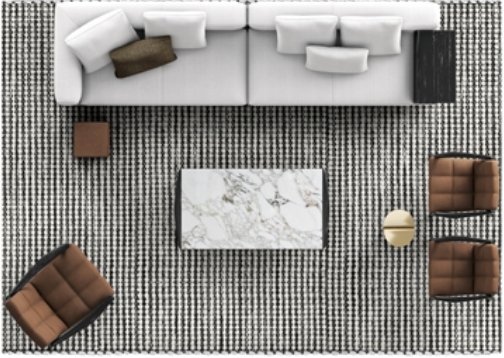
A furniture order change request should name one affected selection first
Start with the order reference, room and item identifier. State the current selection before describing the proposed one. If several pieces have similar colours or names, include the relevant product reference and the current drawing or material reference so the recipient can identify the furniture without guessing.
The Off-white Linen Fabric Modular Sofa With Side Storage Table, for example, is listed at 280 × 160 × 75 cm, with linen blend and solid wood. A request about its orientation should identify that sofa and the agreed arrangement. It should not read as a general instruction to reverse every sectional in the order.
State the linen sofa's proposed orientation from a marked viewpoint
Show the current and requested arrangements with the entrance or main viewing direction marked. Identify the return and side-storage position. Avoid relying on “left side” without explaining whether that means looking towards the sofa or sitting on it. A marked plan is more useful than a mirrored photograph with no explanation.
For a buyer revising the living room after a doorway position changes, explain the reason briefly. The supplier can then assess the intended result rather than reproducing a new sketch without knowing what it needs to solve. The requested orientation may need different sections or may not be available as imagined; keep that assessment open.
Do not change the overall dimensions silently at the same time. If the 280 × 160 cm footprint is intended to remain, say that. If a smaller footprint is being requested, give it a separate line and identify it as a proposal awaiting agreement. HEZEN CASA's catalogue describes sofa size customisation, but that does not approve an individual revision automatically.
Keep the unchanged parts of the linen-sofa selection visible in the request, including its selected upholstery reference and the intended room. This limits the revision to the issue being assessed. If an alternative layout image happens to show a different fabric, explain whether that image is being used for orientation only or whether a fabric change is also proposed.
Keep a leather-colour change separate from a sofa-layout change
The Burgundy & White Nappa Leather Curved Sectional Sofa is listed at 320 × 180 × 85 cm. Its two-colour upholstery is part of the selection. If only one leather reference is changing, identify that material and its location without implying that the full sofa design or both colours have changed.
Identify both the retained and revised leather on the curved sectional
Write down the existing two material references, the proposed replacement and which areas it should cover. Keep the unchanged leather identified too. This is especially useful when the white and burgundy surfaces appear in different proportions from the front, side and back of the chosen arrangement.
Imagine a villa order where the living-room palette changes after curtain samples arrive. The buyer may want a different dark leather while keeping the light leather and the 320 cm sofa outline. That is a specific material request. It is not permission to substitute any darker leather or to change the frame because another photograph looks similar.
Ask whether a new physical reference is needed and whether the proposed material has different care requirements. Do not infer an unchanged finish treatment from a similar colour. If the replacement has not been approved, retain the earlier material record as the current selection and mark the alternative as pending.
If more than one two-colour sectional is included, list exactly which pieces are affected. A single request can otherwise be interpreted as applying to every sofa with the same name. Room identifiers and quantities are useful here, provided they come from the actual order rather than an estimate in the message.
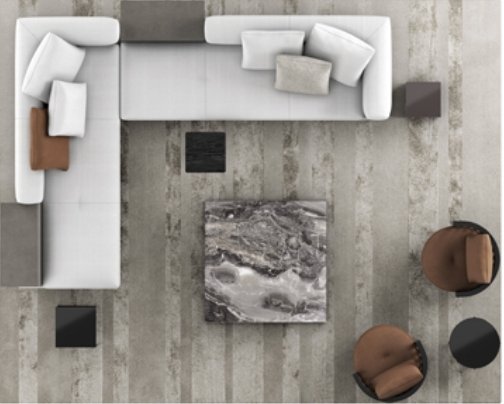
Replacing a dining-table selection changes more than its diameter
The Round Natural Marble Dining Table with Lazy Susan is listed at 150 cm in diameter and 75 cm high, with natural marble and a metal base. The Light Crystal Marble Round Dining Table with Lazy Susan is listed at 140 cm in diameter and 75 cm high, with glossy marble and gold-coloured metal. They are different product selections, not simply one table resized by 10 cm.
Describe the 150-to-140 cm table request as a product substitution
If the buyer wants the 140 cm model, identify both product references and ask for that substitution to be assessed. Include the proposed stone and metal appearance rather than writing only “make the table smaller.” The shared listed height and turntable feature do not establish identical construction, finish or usable serving space.
For a dining room that feels tighter after the chairs are selected, explain the occupied-space concern and recheck the proposed table with those chairs. The 10 cm diameter difference reduces the simple outside radius by 5 cm. It does not guarantee that every seat gains enough room, because chair positions, the base and access still need review.
Keep any dining-room lighting or floor-plan decisions linked to the current table selection. A different table can change the visual relationship with a pendant and the arrangement of shared dishes. Those are reasons to coordinate the substitution, not reasons to assume all nearby furniture must also be replaced.
If the request concerns only the stone appearance on the 150 cm model, state that instead. A stone-reference change and a switch to the 140 cm model are two different instructions. Separating them allows the supplier to answer the actual question and avoids approving an unintended combination.
Also identify the quantity affected by the substitution. If one dining room uses the smaller table while another retains the 150 cm selection, list the rooms separately. An overall project image or a single revised diameter should not replace the item-by-item information needed to distinguish the two table orders.
Check what a sideboard revision leaves connected to the room
The Rounded Marble Top Light Oak Storage Sideboard is listed at 180 × 45 × 80 cm, with light oak and natural marble. A request to change its top should identify the stone reference, while a request for a different cabinet size should identify the proposed dimensions separately. One does not imply the other.
For a whole-home order coordinating this sideboard with a marble dining table, ask whether the proposed new top still gives the intended relationship between the two pieces. Do not promise identical veining across them. Keep the desired colour direction and the actual references clear enough for a material review.
The cabinet's position also deserves another look if its dimensions change. Check the intended wall, nearby chair movement and the serving route. A revised 180 cm reference should not be carried forward automatically if the buyer has asked for a different width. Keep the room plan and written item information in step.
If the sideboard itself is unchanged while the table is being substituted, say that explicitly in the request. This can prevent a coordinated image of the dining room from being mistaken for an instruction to replace every visible piece. The goal is a precise revision, not a new selection exercise hidden inside an old order.
Ask for an assessed response before accepting the revised order
The Architectural Woodwork Institute's submittal guidance on changes separates proposed substitutions from ordinary drawing information and calls for their effects to be identified. That is useful communication background. It does not establish HEZEN CASA's commercial terms or make an architectural-woodwork rule part of a furniture order.
Ask whether the requested revision is feasible, which affected details need new approval and what consequences have been assessed. Price, payment, materials, packing and the expected delivery arrangement may need a response depending on the change. Do not fill those answers with assumed free modifications or an invented number of additional days.
If work needs to be paused while the question is resolved, request that separately and obtain confirmation of the status. A buyer should not rely on an unanswered message as evidence that work stopped. Likewise, a proposed change should not be described internally as accepted while its cost or material reference remains open.
For a mixed order, keep the response specific to each affected item. The linen sofa orientation may be assessable while a new leather reference is still pending. A dining-table substitution may have different consequences from a sideboard-top change. One broad “okay” can leave those differences unresolved.
Ask for any updated packing or delivery information where the accepted change makes the earlier information uncertain. A different table or sofa arrangement may need a fresh assessment, but it is not useful to invent the new package count or size in the request. Keep the earlier figures identified as awaiting confirmation until the actual revised information is available.
Return the accepted revision to the order's everyday working documents
Once the change is actually agreed, update the affected item information and identify which earlier version it replaces. Keep the accepted layout, material references and assessed terms together. Retain the earlier version as superseded so it is available for context without being mistaken for a current instruction.
Use the mixed furniture order guide to see how the changed selection relates to the rest of the furnishing package. Raise the revision through the existing order discussion with HEZEN CASA's furnishing service, identifying the actual order rather than starting a disconnected request around a product photograph.
Before everyone moves on, read the revised item back in plain terms: this sofa, in this arrangement, with these materials; this table selection; this sideboard version. If the people coordinating the room can all identify the same furniture from that record, the change has been communicated clearly enough to use.